
Understanding Sleeping Bag Basics
When searching for the best sleeping bag, the process begins by understanding how these essential pieces of outdoor gear function in various environments. A sleeping bag is primarily designed to trap your body heat within a thermal barrier, preventing cold ground temperatures and chilly ambient air from stealing your warmth throughout the night. Manufacturers engineer these products using specialized textiles and insulation materials that balance thermal retention with breathability, ensuring you do not wake up shivering or drenched in perspiration. Grasping the fundamental mechanics of heat retention helps you realize why a single model cannot universally satisfy every conceivable outdoor scenario, whether you are winter camping in the mountains or sleeping under the stars during a warm summer evening.
Beyond basic warmth, modern designs incorporate advanced ergonomic principles to maximize user comfort and minimize packed bulk. The overall architecture of the bag dictates how effectively it retains heat while allowing natural movement during slumber. Features such as draft collars, contoured hoods, and footboxes play critical roles in sealing out cold air drafts that naturally try to infiltrate the interior space. Furthermore, the outer shell fabrics are typically treated with durable water repellent coatings to guard against morning condensation, tent humidity, and unexpected dampness, thereby protecting the crucial insulating layer from losing its thermal loft and effectiveness over extended trips.
Evaluating Temperature Ratings and Seasonality
Navigating temperature ratings is often considered the most critical step when researching the best sleeping bag for your specific needs. Standardized rating systems, such as the ISO and EN ratings, provide reliable benchmarks by testing bags under controlled laboratory conditions to determine comfort and limit thresholds for typical users. It is vital to recognize that these ratings generally assume the user is wearing a base layer and utilizing an insulating sleeping pad, which acts as a barrier against the freezing ground. Failing to pair your shelter with an appropriate sleeping pad can drastically diminish the thermal performance of even the highest-rated winter models, leading to an unexpectedly cold night outdoors.
Seasonality classifications further categorize products into summer, three-season, and winter models, each tailored for distinct environmental conditions. Three-season options are the most popular choice among backpackers because they handle chilly spring and autumn evenings while remaining adequately ventilated for cooler summer trips. Winter versions feature robust draft tubes, thicker insulation layers, and heavily insulated hoods designed to combat sub-freezing temperatures and severe alpine weather. Experienced campers frequently recommend choosing a rating that sits roughly ten to fifteen degrees lower than the coldest anticipated temperature you expect to encounter, providing a reliable safety margin against unexpected weather drops.
Insulation Materials: Down Versus Synthetic
The choice between down and synthetic insulation represents a fundamental decision that significantly influences the performance, weight, and maintenance of your sleep system. Down insulation, harvested from geese or ducks, offers an unmatched warmth-to-weight ratio and compresses into a remarkably small package, making it the preferred choice for backpackers and mountaineers who count every ounce. High fill-power ratings indicate superior cluster quality and trapping capability, though untreated down loses its insulating properties entirely when thoroughly soaked with moisture. To counter this vulnerability, many manufacturers now treat down with hydrophobic coatings that resist dampness and dry significantly faster than traditional untreated variants.
Synthetic insulation, constructed from polyester fibers, provides a reliable and budget-friendly alternative that excels in damp, humid environments. Unlike natural down, synthetic materials retain a significant portion of their thermal efficiency even when wet, making them ideal for coastal camping, kayaking trips, or regions notorious for persistent rain and heavy morning dew. While synthetic models are generally heavier and bulkier to pack into a rucksack, ongoing technological advancements continue to produce finer filaments that closely mimic the softness and compressibility of natural down without the associated high price tag or complex laundering requirements.
Bag Shapes and Sizing Considerations
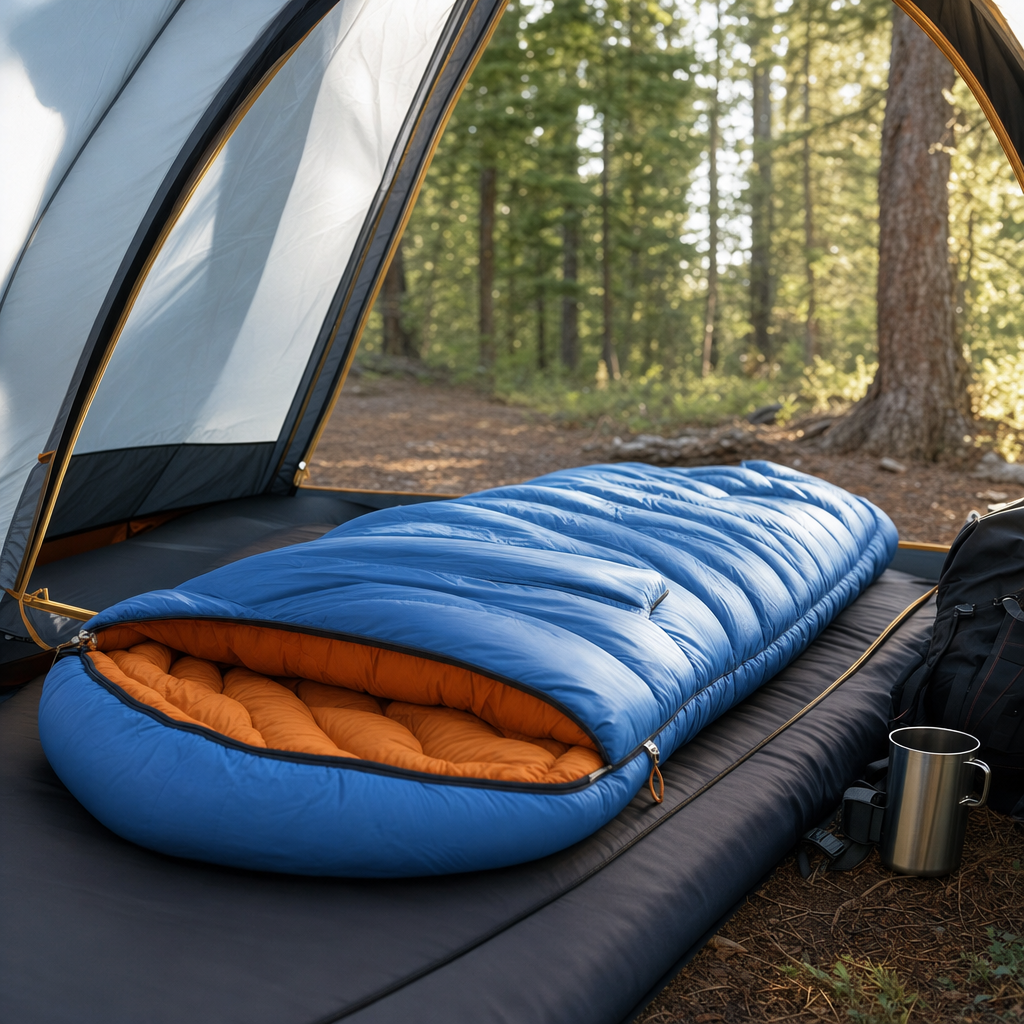
Selecting the correct shape and physical dimensions is essential for maximizing thermal efficiency and ensuring a restful night of sleep. Mummy shapes are engineered to taper tightly from the shoulders down to the feet, minimizing dead air space that your body would otherwise need to heat. This streamlined profile significantly enhances thermal performance, making mummy styles the definitive standard for cold-weather expeditions and lightweight backpacking excursions. Conversely, rectangular models provide generous room to sprawl out, turn over, and bend your knees, making them exceptionally comfortable for casual car camping and warmer weather conditions where ultimate heat retention is less of a priority.
Semi-rectangular or spoon-shaped designs offer a clever compromise between the cozy efficiency of a mummy cut and the unrestrictive freedom of a traditional rectangular model. When evaluating sizing, pay close attention to both length and girth specifications provided by the manufacturer to avoid purchasing a bag that is either excessively long or uncomfortably confining. A bag that is too large forces your body to expend extra metabolic energy warming up the surplus empty space, while a bag that is too small compresses the insulation against your shoulders or feet, creating cold spots where the fabric stretches tight and loses its protective loft.
Essential Care and Maintenance Practices
Proper maintenance and storage practices are vital for preserving the longevity and thermal performance of your investment over years of outdoor adventures. After returning from a camping trip, you should thoroughly air out the fabric to eliminate any accumulated body moisture, tent condensation, or lingering campfire odors. Never store your gear tightly compressed in its stuff sack for extended periods, as this continuous crushing damages the delicate insulating clusters and permanently degrades their ability to trap air. Instead, store the item loosely in a large cotton or mesh storage sack, or hang it gently in a dry, climate-controlled closet out of direct sunlight.
When washing becomes necessary due to accumulated dirt or oils, follow the manufacturer instructions meticulously to avoid ruining the specialized fabrics and internal fills. Utilize a front-loading washing machine without a central agitator, and wash the item using a specialized technical detergent formulated specifically for down or synthetic insulation. Rinse the cycle thoroughly to remove all soap residue, and dry the item on the lowest heat setting with clean tennis balls or dryer balls to help break up clumps and restore the fluffy loft. Taking these careful maintenance steps ensures your gear remains dependable and warm season after season.
Frequently Asked Questions
What is the difference between men’s and women’s sleeping bags?
Women’s models typically feature narrower shoulders, wider hip areas, and extra insulation concentrated in the footbox and core regions to account for physiological differences in thermal regulation and overall cold tolerance.
Do I really need a sleeping pad?
Yes, a sleeping pad is essential because your body weight compresses the insulation underneath you, eliminating its loft. The pad provides the primary thermal barrier against the cold ground temperature.
Can I wash my down sleeping bag in a standard washing machine?
You should only use a front-loading washing machine without a center agitator, as top-loading models with central agitators can easily tear the delicate shell fabrics and ruin the internal baffles.
How do I choose the correct length for my height?
Choose a length that matches your height with a small buffer, typically accommodating individuals up to six feet for a regular size. Avoid buying an overly long bag unless necessary, as extra space is harder to keep warm.
Article Was Generated By AI.