
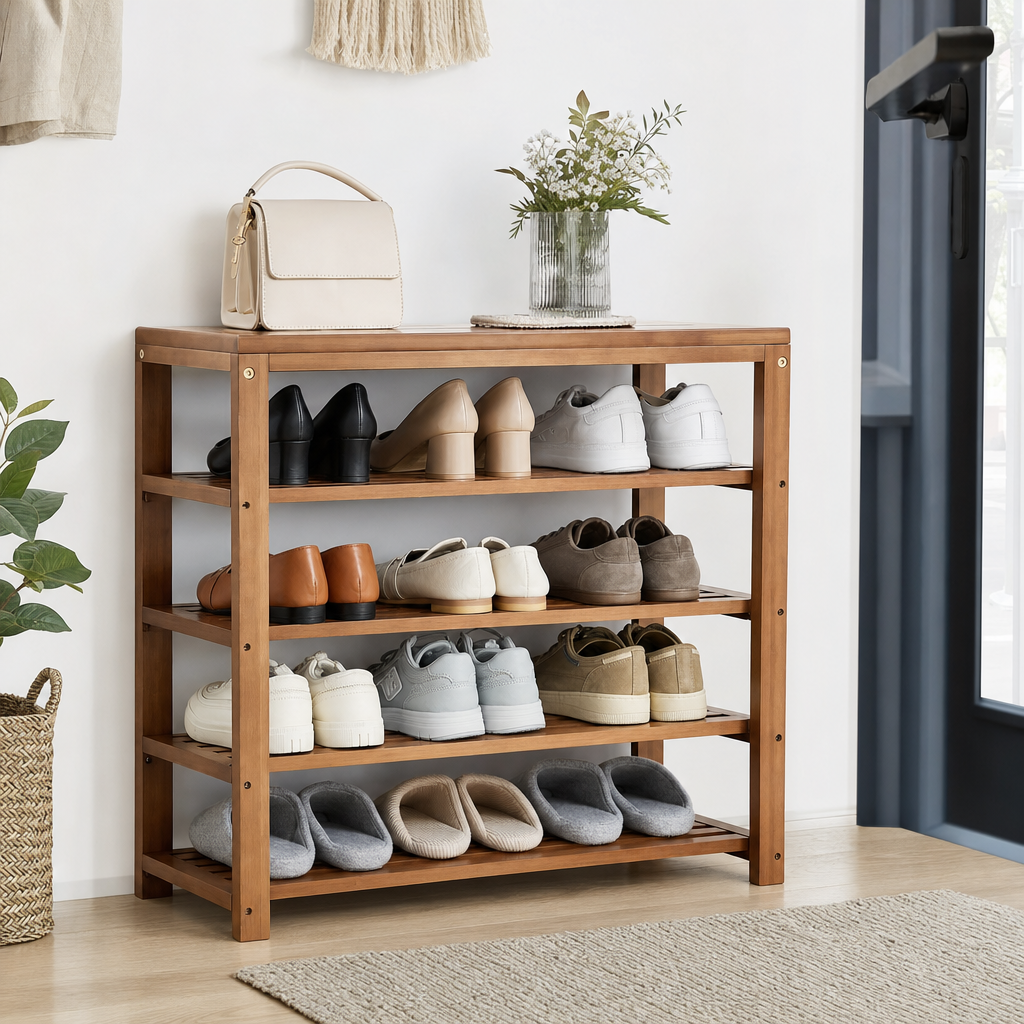
Understanding Your Footwear Storage Needs
When searching for the best shoe rack, the first step is to evaluate the volume and variety of footwear you need to store on a daily basis. Households with multiple members often accumulate dozens of pairs ranging from bulky winter boots and athletic sneakers to delicate dress shoes and casual sandals. Assessing your current collection helps determine whether a compact three-tier unit will suffice or if you require a much larger vertical storage tower to accommodate everyone. Neglecting this initial inventory check frequently leads to purchasing a storage fixture that is either too small to handle your collection or excessively large for the intended space.
Beyond the sheer number of shoes, you must also consider the physical dimensions and shapes of your footwear. High-top sneakers, riding boots, and ankle booties demand more vertical clearance between shelves than standard flats or children’s shoes. Adjustable shelving units provide immense versatility in this regard, allowing you to customize tier heights to fit tall boots without wasting precious vertical room. Furthermore, think about how often you wear specific pairs; everyday footwear should be placed at eye level for effortless grabbing, while seasonal or occasional wear can be relegated to top or bottom shelves.
Exploring Common Materials and Their Durability
Shoe racks are manufactured from a wide variety of materials, each bringing distinct aesthetic qualities and structural durability to your living space. Wooden organizers offer a classic, warm appearance that seamlessly blends with traditional or modern home decor, making them a popular choice for visible hallway placements. Solid woods like oak and bamboo resist daily wear and tear exceptionally well, though manufactured wood products may require more careful handling to prevent moisture damage from wet soles. Metal frames, constructed from steel or iron, provide exceptional structural integrity and are often coated to resist rust, making them ideal for heavy-duty applications.
Plastic and fabric organizers represent lightweight, budget-friendly alternatives that excel in closets, dorm rooms, or utility spaces where aesthetic presentation is secondary to pure functionality. Fabric cubbies and hanging organizers utilize breathable materials that prevent musty odors from trapping inside enclosed spaces, though they generally lack the load-bearing capacity of solid metal or wood furniture. Selecting the appropriate material ultimately depends on where the organizer will live, the level of humidity it might encounter from wet outdoor shoes, and how frequently you intend to move or reconfigure the unit.
Matching Rack Designs to Your Available Space
The physical layout of your entryway, hallway, or bedroom closet dictates which rack design will maximize your square footage without creating a cramped obstacle course. Freestanding floor racks are the most common variety, offering straightforward placement against any empty wall and easy mobility when you decide to rearrange your furniture. Over-the-door organizers utilize wasted vertical space behind bedroom or closet doors, keeping dozens of pairs neatly aligned and entirely out of sight. Wall-mounted floating shelves create a minimalist aesthetic, lifting footwear completely off the floor to simplify sweeping and vacuuming underneath.
Narrow hallways and compact apartments benefit tremendously from specialized slim profile cabinets that store shoes vertically or at an angled tilt rather than flat. These enclosed designs conceal the visual clutter of messy soles while protecting your favorite pairs from accumulating dust over extended periods of non-use. Conversely, open-air wire racks promote optimal air circulation around damp or sweaty athletic shoes, helping to eliminate unpleasant odors before they can permeate your surrounding living environment. Carefully measuring your available floor space and doorway clearances ensures a smooth installation process.
Practical Factors for Long-Term Maintenance
Maintaining a clean and hygienic shoe storage area requires considering how easily the unit can be wiped down, dusted, or sanitized. Muddy hiking boots and rain-soaked sneakers will inevitably transfer dirt, gravel, and moisture onto your organizer, meaning smooth surfaces like treated wood, sealed metal, or molded plastic are vastly superior to porous materials. Placing a waterproof rubber tray underneath your storage fixture acts as an effective catch-all for melting snow and mud, protecting your flooring from water damage and making cleanup as simple as rinsing the tray in the sink.
Assembly complexity and structural stability are additional practical elements that impact your long-term satisfaction with any organizational product. Racks that feature tool-free interlocking designs or simple screw-together metal frames generally require minimal effort to set up correctly on the first attempt. However, taller vertical towers should always include wall-anchoring hardware to prevent accidental tipping, especially in households with active children or energetic pets. Taking the time to secure your furniture properly ensures a safe environment and extends the functional lifespan of the storage unit.
Key Considerations Checklist
To simplify your shopping process and ensure you select an organizer that perfectly matches your household requirements, review this practical checklist before making a final decision. Evaluating these specific criteria prevents common buyer’s remorse and guarantees that your chosen footwear storage solution integrates harmoniously into your daily routines and home decor scheme.
- Measure the exact height, width, and depth of your intended placement area to ensure proper fit.
- Count your total pairs of shoes, accounting for seasonal additions and bulky winter boots.
- Determine whether an open-air rack for ventilation or a closed cabinet for hidden storage is preferred.
- Check the weight capacity of each shelf to ensure it can support heavy boots and work shoes.
- Verify if assembly tools are included or if wall-anchoring hardware is provided for safety.
Frequently Asked Questions
How do I clean mud and dirt off a metal or plastic shoe rack?
Wipe down metal or plastic surfaces using a damp cloth mixed with mild dish soap. For stubborn dried mud, let it soften with warm water before scrubbing gently with a soft sponge, then dry thoroughly with a towel to prevent water spots.
What is the best way to store tall winter boots without damaging them?
Tall winter boots should be stored upright on bottom shelves with adequate vertical clearance, or hung upside down on boot clips. Using boot shapers or rolled magazines inside the shafts prevents unsightly creases and maintains structural form.
Are stackable shoe racks better than single stationary units?
Stackable racks offer excellent modular flexibility, allowing you to start small and add more vertical storage as your footwear collection expands over time, making them ideal for growing families or changing spatial needs.
How can I prevent unpleasant odors around my shoe storage area?
Ensure adequate air circulation by choosing open wire or slatted shelves, and place activated charcoal bags, cedar blocks, or baking soda pouches directly on the shelves to absorb excess moisture and neutralize lingering foot odors naturally.
Article Was Generated By AI.