
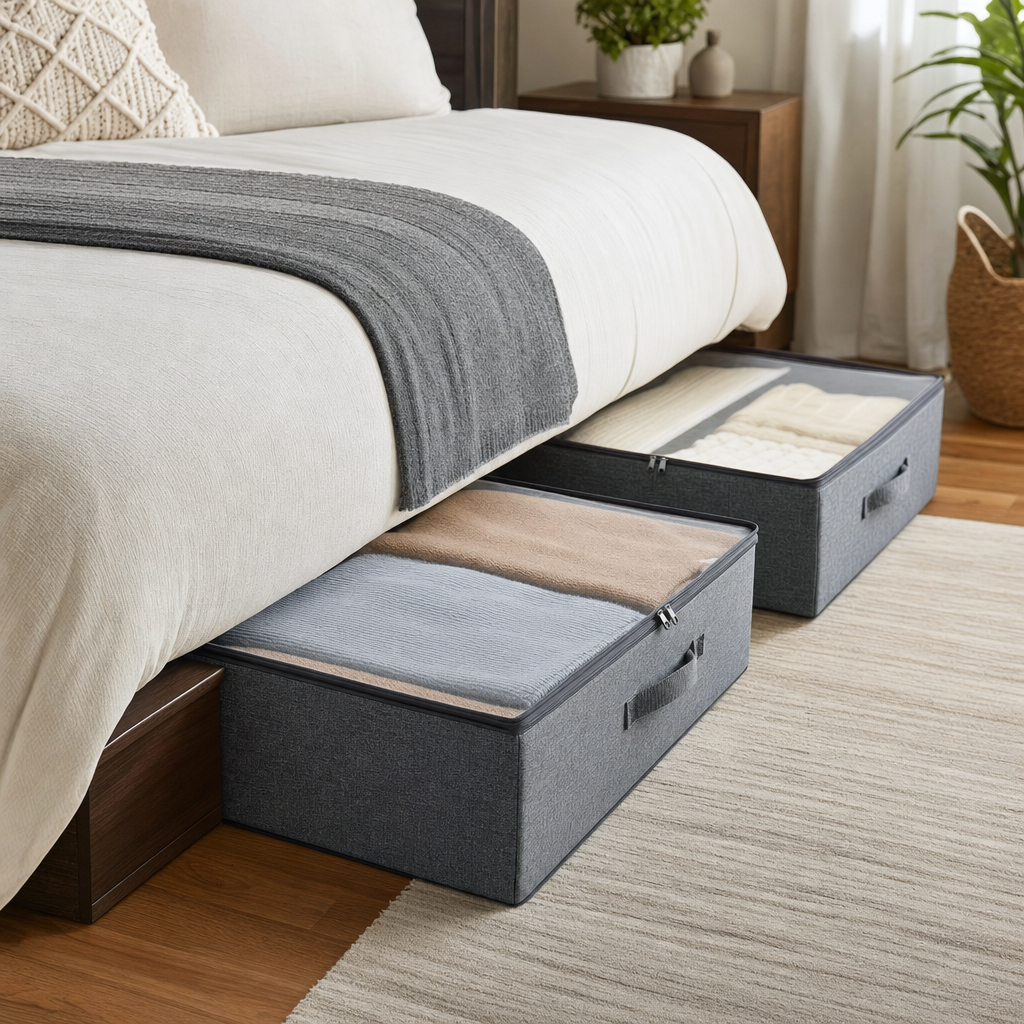
Understanding the Potential of Under Bed Space
The area beneath your bed represents one of the most underutilized real estate zones in the typical modern home. While many individuals focus strictly on closet organization and dresser capacity, the vertical gap between the floor and the underside of the bed frame offers dozens of cubic feet of usable volume. Recognizing this hidden potential can completely transform a cramped sleeping chamber into a serene, uncluttered sanctuary. By approaching this space with deliberate planning, you can reclaim valuable floor area without purchasing bulky new furniture pieces that might crowd your room.
However, transforming this neglected zone requires more than simply shoving random boxes and stray items into the darkness. Without a structured system, the space quickly becomes a black hole for lost belongings, dust accumulation, and seasonal clutter that you forgot you even owned. Effective organization starts with assessing what you actually need to store away from daily view, whether that includes bulky winter garments, extra bedding sets, childhood memorabilia, or children’s toys. Establishing a clear categorization method ensures that whatever system you ultimately implement will serve your long-term household needs rather than creating more organizational headaches.
Key Factors to Consider Before You Buy
Before acquiring any storage containers, taking precise measurements of your clearance height and overall spatial dimensions is an absolute necessity. Many homeowners make the costly mistake of purchasing rigid bins or rolling drawers only to discover that the bed frame’s central support beam or low-hanging side rails block the containers from sliding underneath properly. Grab a reliable tape measure and check not only the height from the floor to the lowest structural point of the bed but also the total width and depth available between the legs. Accounting for these specific architectural constraints prevents frustrating returns and ensures a seamless fit.
In addition to physical dimensions, you must evaluate the environmental conditions lurking beneath your sleeping quarters. The microclimate close to the floor is notoriously prone to collecting dust, pet dander, and varying levels of humidity, particularly in older houses or ground-floor bedrooms. Selecting the appropriate material for your containers directly impacts the preservation of your stored belongings. Plastic bins offer superior moisture and pest resistance for delicate textiles, whereas breathable fabric bags work wonderfully for items that require air circulation. Weighing these environmental factors against your specific climate ensures your items remain pristine.
Comparing Popular Under Bed Storage Materials and Designs
The market offers a diverse array of organizational products tailored specifically for low-profile spaces, each boasting distinct advantages and drawbacks. Rolling plastic bins equipped with secure snap-on lids represent a favorite among homeowners because they offer effortless maneuverability and robust protection against spills, dust, and inquisitive pests. On the other hand, fabric tote bags featuring clear vinyl tops provide a softer, more flexible alternative that can squeeze into tight clearance gaps where rigid plastic might scratch hardwood floors or get hopelessly stuck against wooden slats.
For those seeking a more permanent or aesthetically pleasing upgrade, built-in wooden drawers or custom pull-out platforms offer a sophisticated solution. These sturdy units often match existing bedroom decor and glide smoothly on caster wheels or metal tracks, making access feel remarkably seamless. However, they generally demand a higher financial investment and lack the modular flexibility of standalone bins. Reviewing your budget, aesthetic preferences, and frequency of access will guide you toward the ideal physical format for your household environment.
Here are the primary container styles to evaluate for your space:
- Rolling plastic containers with locking lids for maximum moisture defense and easy pulling.
- Fabric zipper bags with transparent windows for breathable textile and seasonal clothing storage.
- Low-profile wooden drawers designed to complement specific bed frame styles and finishes.
- Vacuum-seal compression bags that dramatically reduce the volume of bulky comforters and pillows.
Best Practices for Maintaining Your Under Bed Zone
Once you have loaded your containers and slid them neatly beneath the bed frame, the organizational journey is only halfway complete. Dust and debris naturally settle in floor-level areas, meaning that neglecting this hidden zone for months will result in grimy containers and potential allergen buildup. Establish a routine schedule, perhaps changing your seasonal wardrobe twice a year, to pull every container out completely. Use this transition period to vacuum and mop the exposed flooring thoroughly before returning the bins to their designated spots.
Another critical maintenance habit involves labeling every single container clearly, regardless of whether the plastic is transparent or opaque. Lighting underneath a bed frame is notoriously poor, making it nearly impossible to identify contents at a glance without dragging the entire bin out into the light. Applying adhesive labels or durable luggage tags to the outer edge facing the room exterior saves immense time and prevents unnecessary physical strain. Keeping an updated inventory list taped inside a nearby closet door can further streamline your item tracking.
Frequently Asked Questions
How do I measure my bed clearance accurately?
Use a rigid metal tape measure to find the exact vertical distance from the floor to the lowest point of your bed frame or side rails. Also measure the width and depth between bed legs to ensure your chosen containers fit without obstruction.
Are plastic or fabric bins better for storing clothes?
Plastic bins offer superior protection against dust, moisture, and pests, making them ideal for long-term storage in damp areas. Fabric bags provide better breathability for textiles, preventing musty odors in well-ventilated, dry bedrooms.
How can I prevent dust from accumulating on my stored items?
Always choose containers featuring tight-fitting lids, secure zippers, or complete closure systems. Regularly pull the bins out every few months to vacuum the floor underneath and wipe down the exterior surfaces of the storage units.
What should I avoid storing underneath my bed?
Avoid storing highly perishable items, irreplaceable paper documents vulnerable to humidity, or extremely heavy objects that make retrieval difficult and risk straining your back during routine cleaning tasks.
Article Was Generated By AI.