
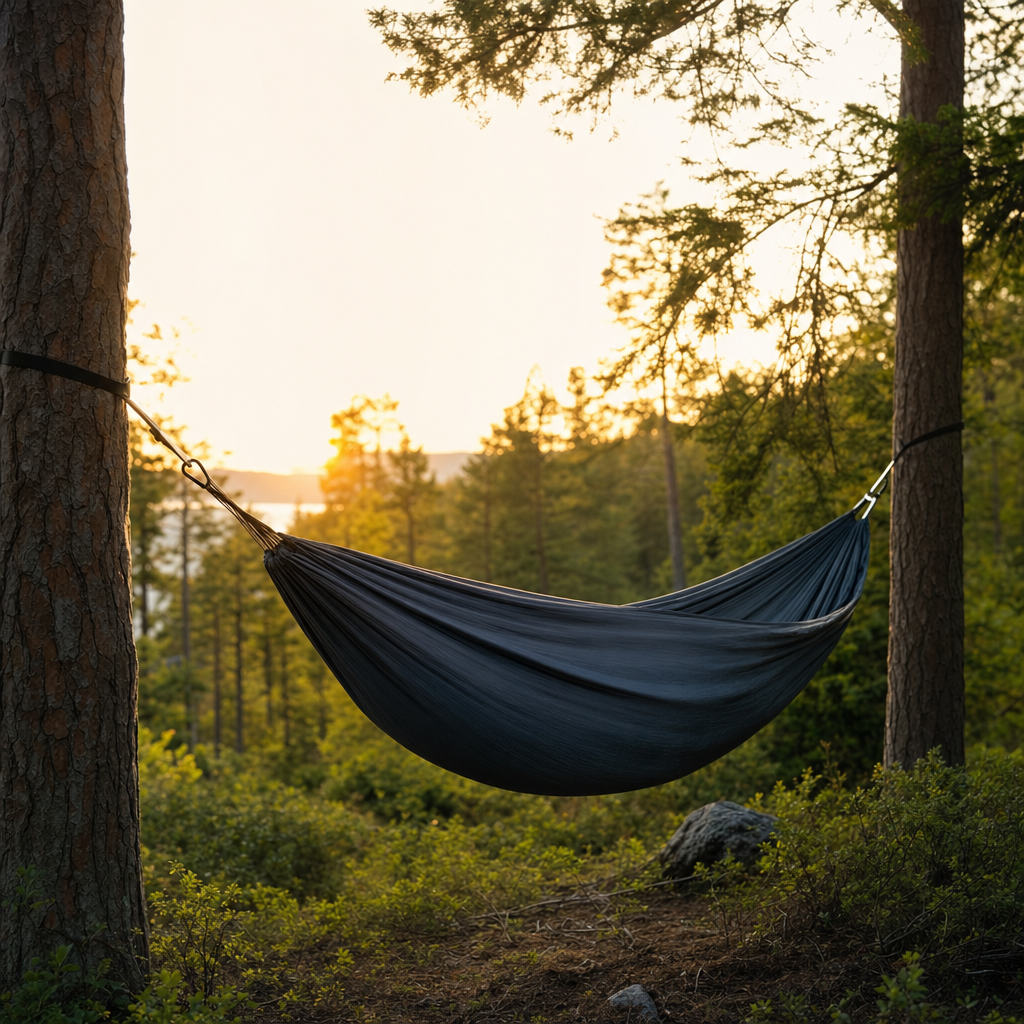
Introduction to Modern Camping Hammocks
The evolution of outdoor sleeping has transformed drastically over recent decades, moving traditional canvas swings into high-performance backcountry shelters. When people search for the best camping hammock, they are usually looking for a lightweight, versatile alternative to traditional ground tents. Unlike sleeping on the rocky forest floor, a suspended shelter adapts to uneven terrain, rocky outcroppings, and sloping hillsides where pitching a tent would be nearly impossible. This adaptability opens up countless new locations for spending a night under the stars without sacrificing physical comfort.
Beyond mere novelty, sleeping suspended offers distinct ergonomic benefits that many outdoor enthusiasts appreciate after a long day of hiking. Modern designs distribute body weight evenly, eliminating pressure points on the hips and shoulders that commonly disrupt a night of rest in a traditional sleeping bag on a thin pad. Furthermore, keeping your sleeping quarters elevated protects your gear and fabric from morning ground moisture, mud, and crawling insects. As manufacturers continue innovating with breathable nylons and integrated bug nets, hammock camping has evolved from a niche minimalist practice into a mainstream outdoor pursuit.
Key Features to Evaluate Before Choosing
Navigating the vast market of suspended shelters requires understanding the core construction materials that dictate durability, weight, and weather resistance. Ripstop nylon is the industry standard for the body of the shelter, prized for its exceptional strength-to-weight ratio and resistance to tearing if punctured by a stray stick. However, fabrics vary significantly in denier ratings, where a higher number indicates thicker, heavier yarn designed to withstand rugged environments and heavier weight capacities. Selecting the right fabric involves balancing your desire for a lightweight backpack against the need for long-lasting structural integrity in harsh weather.
Suspension systems represent another critical component that determines how easily and securely you can anchor your setup to surrounding trees without damaging the bark. Modern straps are typically made of non-stretching polyester webbing that wraps securely around tree trunks and connects to the shelter via carabiners or whoopie slings. Tree-friendly straps are wider than traditional thin ropes, distributing the load across a broader surface area to prevent stripping the vital cambium layer of the tree. Evaluating the adjustment mechanism of these suspension straps helps ensure you can fine-tune your hang angle quickly at the end of a tiring day on the trail.
Understanding Hammock Styles and Configurations
The market generally divides these shelters into two primary categories: gathered-end models and bridge models, each offering distinct sleeping experiences. Gathered-end options gather the fabric at both extremities, creating a cocoon-like environment where sleepers lie diagonally to achieve a remarkably flat, neutral spine position. This style is lightweight, highly packable, and forms the foundation of most backpacking setups used by long-distance hikers navigating challenging terrain. Mastering the diagonal lay in a gathered-end shelter is the secret to avoiding the uncomfortable banana curve that beginners often experience initially.
Bridge configurations utilize spreader bars at the head and foot ends to maintain an open, tensioned sleeping platform that resembles a traditional cot suspended in the air. This design prevents the fabric walls from pressing inward against your shoulders, offering a wider view of your surroundings and a more familiar flat contour for side sleepers. While bridge setups tend to be slightly heavier and require more rigid components that take up additional space in a backpack, many campers find the trade-off worthwhile for the enhanced interior space and stability they provide throughout the night.
Essential Accessories for Comfort and Weather Protection
A basic suspended shelter alone is rarely sufficient for a comfortable night outdoors, as environmental factors like wind, rain, and insects quickly disrupt sleep. An integrated or detachable bug net is an absolute necessity during warmer months, keeping mosquitoes, ticks, and midges safely away from your skin while you rest. For precipitation, a waterproof rain fly suspended directly above the main body provides critical shelter from sudden downpours and heavy morning dew. Choosing a rain fly with adequate coverage and tie-outs ensures you stay completely dry even when wind-driven rain approaches from unpredictable lateral angles.
Insulation is another crucial consideration, because ambient air circulating freely underneath the fabric rapidly draws body heat away, causing a phenomenon known as CBS or cold bottom syndrome. Traditional sleeping pads often slide around awkwardly inside a curved fabric shell, prompting most experienced campers to utilize an underquilt instead. An underquilt hangs externally beneath the main body, trapping a layer of stagnant air that is warmed by your body heat without being compressed under your weight. Combining an effective underquilt with a top quilt or sleeping bag ensures you remain comfortably warm even as nighttime temperatures plummet.
Practical Guidance for Setup and Site Selection
Finding suitable anchor points is the foundational skill required for a successful night of suspended sleeping in the backcountry or established campgrounds. Healthy, mature trees with a diameter of at least six inches provide the structural stability necessary to support a human body safely without shifting or snapping. It is equally important to look upward and inspect the canopy for dead branches, hanging limbs, or loose debris that could potentially fall during wind gusts in the middle of the night. Practicing your setup in a backyard or local park before embarking on a remote wilderness trip ensures you can anchor your gear efficiently in fading light.
Achieving the correct hanging angle requires precision, and most experienced campers recommend aiming for a hang angle of approximately thirty degrees from the horizontal. Suspending the anchors too tightly creates a rigid, unyielding line that puts excessive strain on both the trees and the fabric, making it difficult to find a comfortable diagonal sleeping position. Using tree-friendly straps at a comfortable height also makes getting in and out much easier while keeping your gear elevated safely above damp ground conditions. Taking time to adjust the tension properly prevents sliding into the middle and guarantees a restful, restorative night of sleep.
Frequently Asked Questions
Can two people sleep together in a camping hammock?
While double-wide models exist, sleeping two adults comfortably in a single suspension setup is generally difficult because occupants tend to roll toward the center and press against each other. Most experienced backpackers prefer using individual setups for better sleep quality and back support.
How do you stay warm in a camping hammock during cold weather?
Staying warm requires addressing convective heat loss from underneath. Using an insulated underquilt that hangs beneath the fabric is far more effective than a sleeping pad, as it traps warm air without being compressed by your body weight.
What is the best way to lie flat in a gathered-end hammock?
To achieve a flat sleeping position, you should lie diagonally rather than straight across the center. Shifting your feet to one side and your head to the opposite side flattens the fabric profile and aligns your spine naturally.
Are camping hammocks allowed in all state and national parks?
Regulations vary significantly by location. Many parks permit suspended shelters as long as you use wide, tree-friendly straps that protect the bark, while others prohibit attaching any equipment to trees to preserve fragile local ecosystems.
Article Was Generated By AI.