
Understanding the Evolution of Mobile Phone Tripods
Mobile photography has advanced remarkably over the past decade, with modern smartphones boasting multi-lens arrays, advanced stabilization, and massive digital sensors that rival traditional cameras. However, even the most sophisticated electronic stabilization cannot completely eliminate micro-jitters, hand tremors, or motion blur during long exposures, low-light shooting, or time-lapse sequences. This technological reality has driven a massive surge in demand for reliable camera support accessories designed specifically for mobile devices. Unlike the bulky equipment required for heavy digital single-lens reflex cameras, a modern mobile tripod is engineered to be lightweight, highly portable, and remarkably versatile, accommodating the slim profiles and varying weights of contemporary smartphones without sacrificing stability or durability.
The market now offers a staggering variety of designs tailored to different use cases, ranging from ultra-compact pocket models that fit inside a jacket to sturdy floor-standing units capable of elevating a device to eye level. Selecting the right support tool requires an understanding of how these different designs function in real-world scenarios, whether you are capturing a breathtaking sunset on a hiking trail, recording a cooking tutorial in a brightly lit kitchen, or filming a family gathering indoors. Manufacturers utilize innovative materials such as aerospace-grade aluminum, carbon fiber, and durable engineering plastics to strike the optimal balance between weight reduction and structural rigidity. By examining the core components and mechanical designs available today, users can make informed choices that directly enhance the quality of their visual content.
Key Categories and Structural Styles
Flexible tabletop tripods represent one of the most popular categories for casual users and content creators alike, featuring bendable legs wrapped in high-friction rubber or foam. These adaptable legs allow the mount to be securely wrapped around tree branches, railings, bicycle handlebars, or uneven rocks, providing stable angles where traditional tripods simply cannot stand. They are exceptionally compact and light, making them an essential companion for travelers who want maximum versatility without adding noticeable bulk to their daily carry bags. Despite their playful appearance, high-quality flexible models provide surprisingly firm grips and can securely hold large smartphone models in both portrait and landscape orientations without slipping or sagging under their own weight during extended recording sessions.
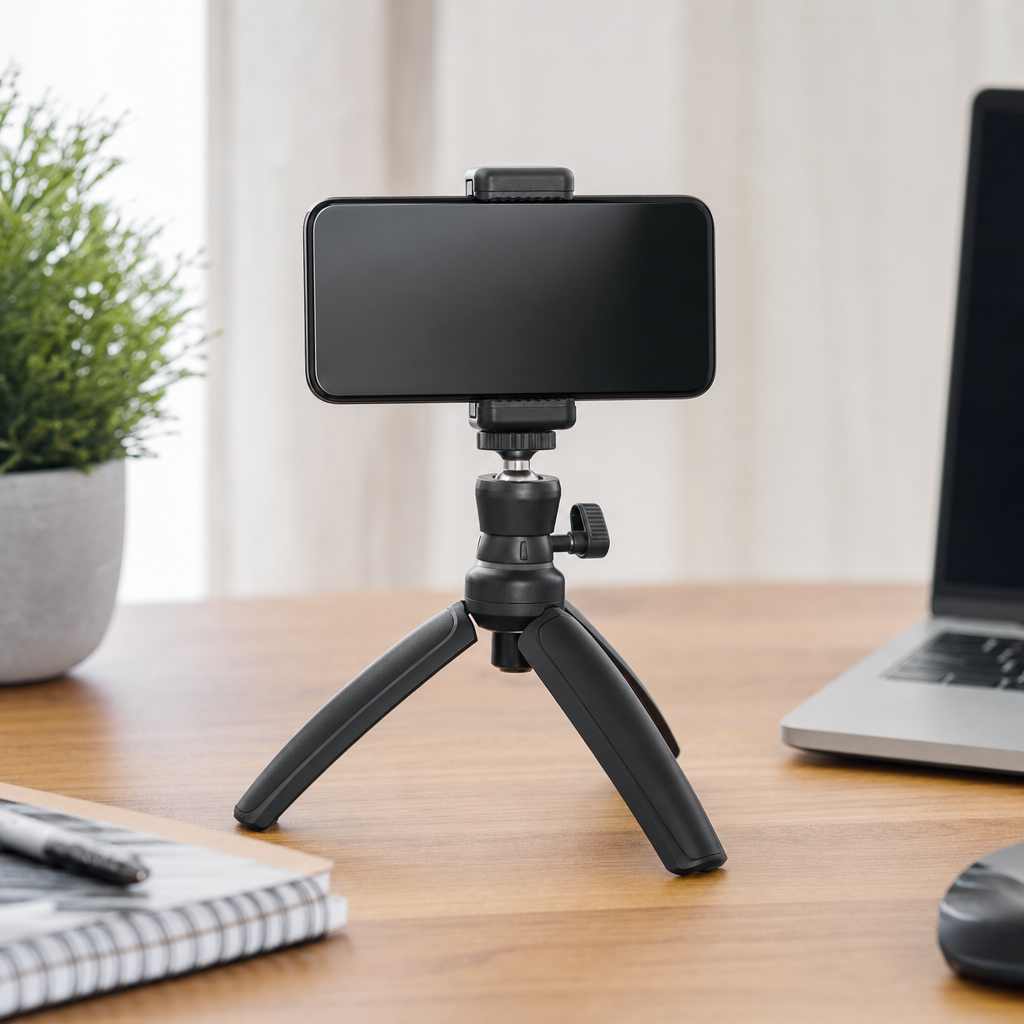
Standard mini tripods with rigid, telescoping legs offer a more traditional approach to stability on flat surfaces such as tables, desks, and floors. These units typically feature extendable center columns and locking leg angles that provide a rock-solid foundation for stationary shots, interviews, and product photography. For users requiring greater height, full-size floor tripods equipped with universal smartphone adapters bridge the gap between casual mobile shooting and professional videography. These taller options often include fluid pan heads, bubble levels, and weighted center hooks for attaching camera bags in windy outdoor conditions, ensuring maximum stability when shooting in challenging weather environments.
Essential Features and Compatibility Factors
Universal smartphone clamping mechanisms are the literal bridge between your mobile device and the mechanical support structure. A reliable clamp must feature robust spring tension or screw-tightening mechanisms accompanied by high-density rubber padding to protect the phone’s glass back and aluminum frame from scratches while preventing accidental slippage. Furthermore, the mount should accommodate modern phones equipped with bulky protective cases and wide camera bumps, ensuring a flush, secure fit without pressing down on side volume or power buttons. Many advanced mounts also incorporate standard quarter-inch threaded screw holes and cold shoe mounts, allowing creators to attach external LED fill lights, shotgun microphones, or Bluetooth shutter remotes directly to the rig.
Weight capacity and payload distribution are critical technical specifications that consumers often overlook when evaluating mobile gear. While smartphones are generally lightweight compared to professional cinema cameras, modern devices paired with protective cases, external lenses, and microphone attachments can easily exceed standard weight thresholds for flimsy mini tripods. Evaluating the maximum load rating ensures the mechanical joints will not droop or drift over time, maintaining your precisely framed composition. Additionally, check the rotation capabilities of the head; a 360-degree panning base and a 90-degree vertical tilt mechanism provide the ultimate flexibility for switching rapidly between cinematic widescreen video and vertical storytelling formats.
Practical Guidance for Choosing and Using Your Setup
Choosing the ideal mobile support tool begins with an honest assessment of your primary shooting habits and environments. If you primarily create content at a desk, a sturdy tabletop model with adjustable height is usually sufficient and offers the quickest setup time. Conversely, outdoor enthusiasts, vloggers, and travelers should prioritize weather-resistant construction, compact folded dimensions, and quick-release plates that allow for rapid transitions between handheld shooting and stationary tripod placement. Always verify the maximum extension height and payload capacity against your specific phone model to prevent frustrating compatibility issues after purchase.
Once you have acquired your gear, proper physical technique significantly enhances the final output of your mobile photos and videos. Always ensure the center column is lowered as much as possible when using maximum height extensions to maintain a low center of gravity and minimize wind-induced vibrations. Utilize a Bluetooth wireless remote shutter or set a self-timer delay of two to three seconds before capturing photos; this simple habit prevents the physical tap of your finger on the screen from introducing unwanted camera shake into long exposures or macro shots. Regularly inspect the locking mechanisms, screws, and rubber feet for wear and tear, keeping your equipment clean and functional for every outing.
Checklist for Evaluating Mobile Support Gear
Before finalizing any decision on mobile support accessories, running through a structured evaluation checklist can save you from common pitfalls and ensure long-term satisfaction with your purchase. Consider the following key criteria to evaluate build quality, versatility, and real-world usability before bringing your new gear into the field.
- Verify that the clamp mechanism securely grips your specific phone model with its case installed.
- Check the maximum payload rating to ensure it safely supports any extra lenses or microphones.
- Assess the folded length and total weight to confirm it fits comfortably inside your travel bag.
- Look for standard quarter-inch threaded mounts for future compatibility with photography lights and accessories.
- Test the smoothness of the pan and tilt head movements for cinematic video recording.
Frequently Asked Questions
Do I need a special adapter to mount my smartphone on a standard camera tripod?
Yes, most traditional cameras use a standard quarter-inch screw thread that does not match a bare phone. You will need a universal smartphone clamp or adapter featuring a matching female threaded hole at the bottom to bridge your phone and the tripod securely.
Can flexible bendable tripods hold heavy smartphones securely?
High-quality flexible models with sturdy metal cores and high-friction rubber legs can securely hold most standard and large smartphones. However, extremely heavy flagship devices with added lenses may cause cheaper flexible legs to droop over time.
How can I prevent my phone from shaking when I press the capture button?
You can eliminate touch-induced camera shake by using a Bluetooth wireless remote shutter, pairing your device with a smartwatch control app, or simply utilizing the built-in two-second or ten-second self-timer on your smartphone camera application.
What is the difference between a tabletop model and a floor-standing unit?
Tabletop models are compact, lightweight, and designed to sit on elevated surfaces like desks or counters, making them ideal for vlogging and desktop streaming. Floor-standing units feature extended telescoping legs to position your phone at eye level from the ground.
Article Was Generated By AI.