
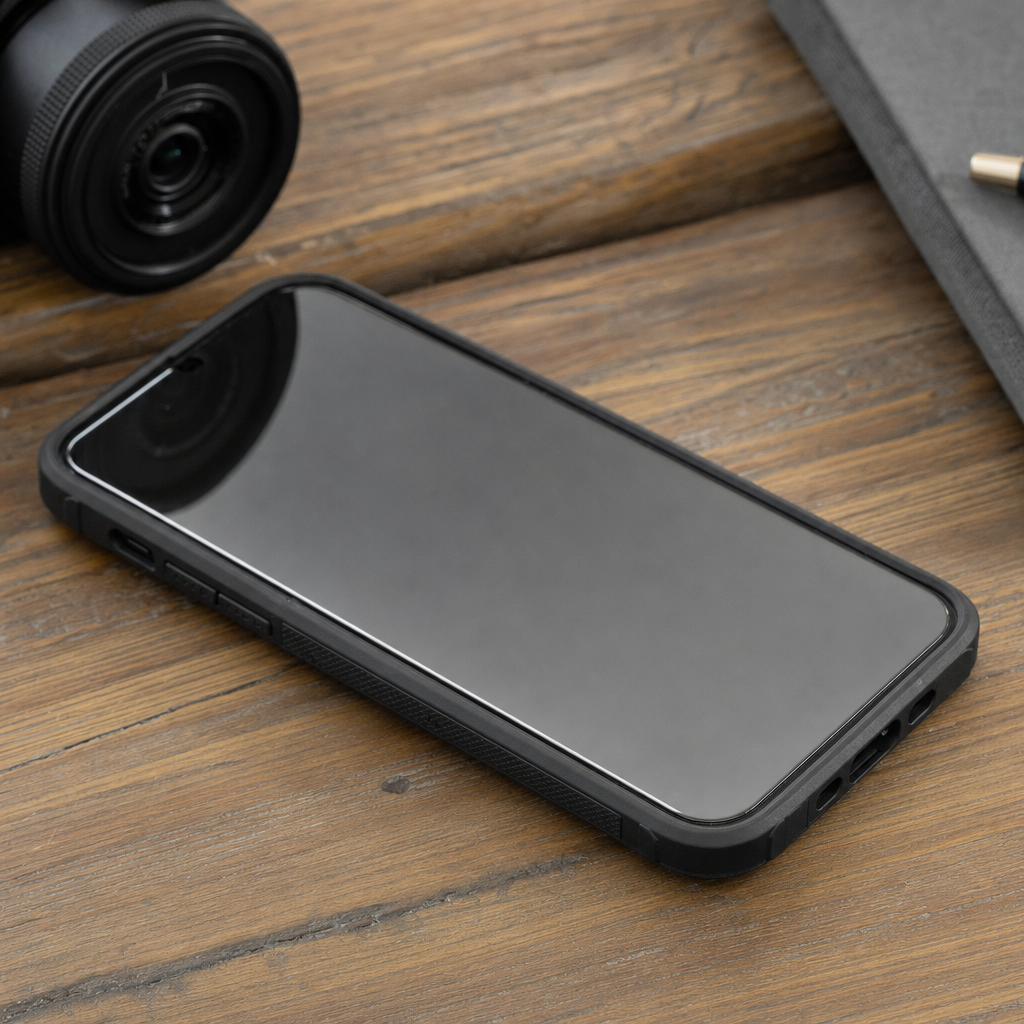
Understanding the Evolution of Mobile Device Protection
The modern smartphone is a marvel of engineering, featuring delicate glass panels and intricate internal components packed into a remarkably thin chassis. Because these pocket-sized computers accompany us everywhere—from grueling morning commutes to rugged outdoor hikes—protecting them from daily hazards has become a universal priority for owners worldwide. Early protective covers were primarily bulky rubber skins designed solely to absorb minor shocks, but contemporary manufacturing has transformed these accessories into sophisticated engineering feats that balance structural defense with aesthetic appeal. Selecting the appropriate shield requires an understanding of how different external forces impact your specific hardware, ensuring you find a balance between drop survivability and everyday ergonomic comfort.
When evaluating your options, you must first recognize that no single product excels in every imaginable scenario, which explains the vast diversity available on the retail market. Some users prioritize minimalist profiles that maintain the original pocket-friendly dimensions of their device, while others demand heavy-duty armor capable of surviving multi-story drops onto concrete surfaces. Manufacturers utilize advanced computer-aided design to simulate impact forces, allowing them to reinforce vulnerable corners and create raised bezels that shield sensitive glass screens and camera arrays from direct surface contact. By analyzing your personal lifestyle, frequency of accidental drops, and working environment, you can narrow down the vast array of choices to identify a truly suitable option.
Common Materials and Their Protective Qualities
The material composition of a protective cover is the single most critical factor determining its ability to absorb impact energy and resist daily wear and tear. Silicone and thermoplastic polyurethane, commonly referred to as TPU, dominate the market due to their excellent shock-absorbing elasticity and comfortable grip. TPU strikes an ideal balance by offering enough rigidity to maintain its shape while remaining flexible enough to cushion sudden impacts, dispersing kinetic energy away from the delicate internal motherboard. Furthermore, TPU resists oils and grease from human hands, ensuring the exterior maintains a clean appearance over months of continuous handling without degrading or becoming unpleasantly sticky.
On the other end of the spectrum, hard plastics like polycarbonate provide robust scratch resistance and structural rigidity, often forming the outer shell of multi-layered heavy-duty cases. Polycarbonate can be molded into incredibly thin profiles, making it popular for slimline designs that prevent unwanted bulk in your pockets. However, because hard plastics lack natural shock absorption, they are frequently paired with softer inner linings to manage impact shock effectively. Additionally, natural materials such as wood, genuine leather, and woven fabrics are increasingly popular among consumers seeking a tactile, premium aesthetic, though these materials often require specialized maintenance and offer varying degrees of drop defense.
Evaluating Drop Ratings and Military Standards
Navigating marketing claims regarding drop protection can be confusing, especially when manufacturers utilize terms like military-grade drop tested without providing explicit context. The standard most frequently referenced is MIL-STD-810G, a series of rigorous testing procedures developed by the United States Department of Defense to evaluate equipment durability under extreme conditions. When a consumer product claims compliance with this standard, it typically means the item has survived a series of twenty-six consecutive drops from a height of four feet onto concrete surfaces at various angles. While this certification guarantees a baseline level of ruggedness, it is important to remember that these tests are performed in controlled laboratory environments rather than real-world scenarios.
Beyond official military specifications, many reputable accessory brands develop their own proprietary drop-testing protocols to push their products to the absolute limit. These custom tests often involve higher drop heights, uneven landing surfaces, and specialized impact sensors that measure the exact G-force transmitted through the protective shell to the encased device. When shopping for reliable protection, look for manufacturers that transparently publish their testing methodologies and specify the maximum height from which their products can survive an impact. Understanding these ratings helps you separate genuine engineering achievements from hollow marketing buzzwords, ensuring your device remains intact during unexpected accidents.
Design Features That Enhance Usability
A truly exceptional protective cover does more than simply absorb shock; it actively enhances the daily usability and ergonomic feel of your mobile device. Raised screen bezels and camera surrounds are crucial design features that prevent the most expensive components of your phone from scraping against abrasive surfaces when placed face down on tables or desks. Tactile button covers integrated into the frame should provide a crisp, clicky response that mimics the direct feel of the underlying physical buttons without requiring excessive finger pressure. Precise cutouts for charging ports, speakers, and microphone grilles ensure that accessory connectivity and audio output remain completely unobstructed during daily use.
Compatibility with modern wireless charging technology and magnetic mounting ecosystems represents another vital consideration for contemporary smartphone users. Thick, metallic, or heavily armored designs can interfere with inductive charging coils, forcing users to remove their protective gear every time they need to replenish their battery on a wireless pad. Similarly, the integration of embedded magnetic arrays allows seamless alignment with popular car mounts and magnetic wallets without compromising the structural integrity of the outer shell. Evaluating these functional nuances ensures that your chosen accessory streamlines your daily routine rather than introducing frustrating technical hurdles.
Practical Checklist for Choosing Your Protection
Selecting the ideal accessory involves weighing multiple competing factors to find the perfect compromise between robust defense and personal style preferences. To help organize your thoughts during the shopping process, consider utilizing a structured checklist that evaluates your specific daily habits, environmental exposures, and aesthetic desires. By systematically addressing each criterion, you can eliminate impulsive purchases and invest in a product that delivers long-term satisfaction and reliable hardware preservation.
- Assess your daily environment for drop hazards and moisture exposure.
- Verify complete compatibility with wireless charging and screen protectors.
- Check for raised bezels around the camera array and primary display.
- Ensure the grip texture prevents accidental slips from hands or pockets.
Taking the time to review these specific product attributes prevents common buyer’s remorse and ensures that your mobile hardware remains secure against unforeseen mishaps. Remember that investing in quality construction often pays dividends by preventing costly screen replacements and internal component damage down the road. Whether you prefer a sleek transparent bumper or a rugged multi-layered fortress, deliberate evaluation remains your best tool for making an informed purchasing decision.
Frequently Asked Questions
Do thicker phone cases always provide better protection than slim cases?
Not necessarily. While bulkier designs often absorb more impact energy, modern advanced materials like specialized polymers allow thin cases to offer exceptional drop protection without added weight.
Will a protective cover interfere with wireless charging functionality?
Most standard cases under three millimeters thick work seamlessly with wireless chargers. However, extremely thick armor designs or cases containing embedded metal plates can block inductive charging signals entirely.
How often should I replace my mobile device case?
You should inspect your cover regularly and replace it if you notice deep cracks, severe discoloration, warped material, or loose edges that compromise its ability to hold your phone securely.
Article Was Generated By AI.