
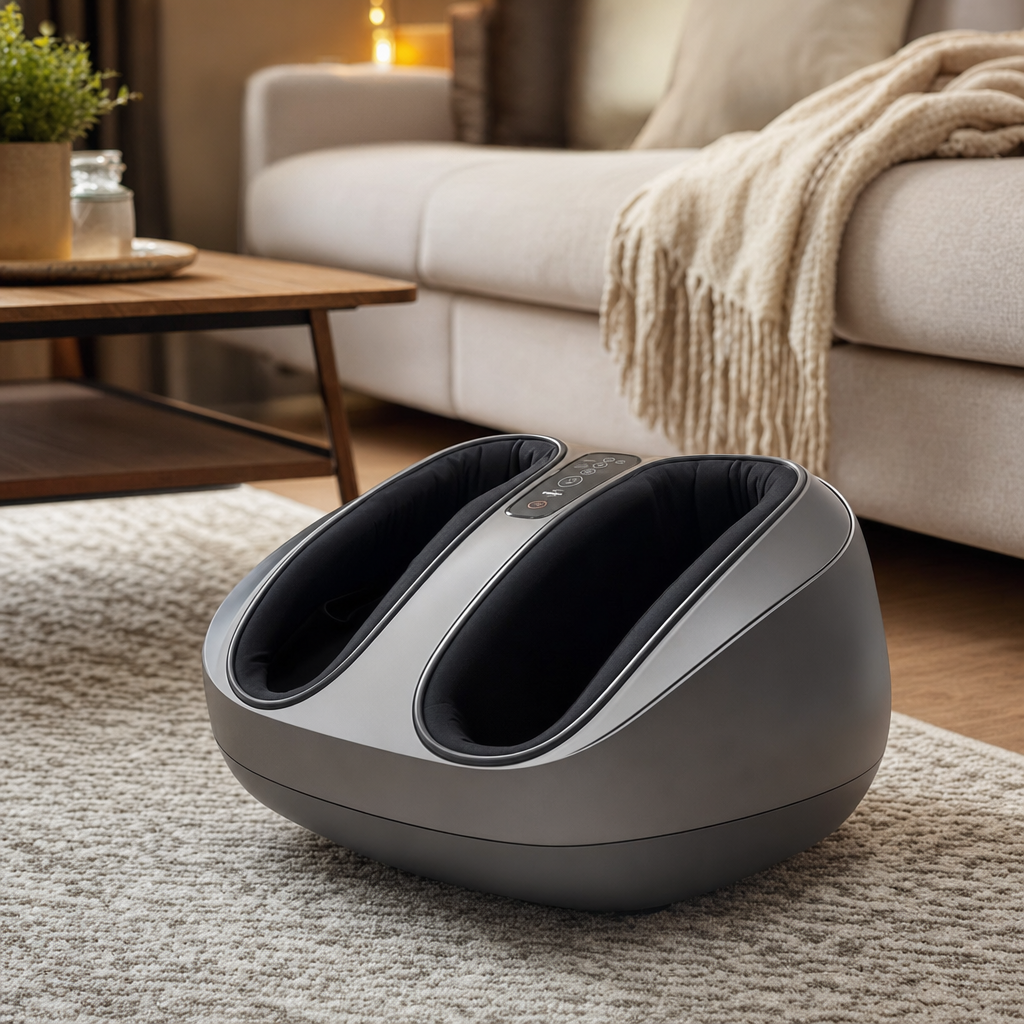
Understanding Foot Massagers and How They Work
When searching for the best foot massager, it helps to understand the underlying mechanisms that provide relief to tired feet. Modern devices generally fall into a few distinct categories, ranging from simple manual rollers to sophisticated electric machines that combine heat therapy with rolling nodes and air compression. Manual devices usually consist of wooden or plastic textured rollers that you manipulate with your own foot movement, giving you complete control over the pressure and speed. On the other hand, electric models plug into the wall or run on rechargeable batteries, utilizing internal motors to rotate nodes, squeeze the arch and heel with airbags, and deliver soothing warmth directly to the soles.
The primary goal of these devices is to stimulate circulation and relieve tension accumulated from standing for long hours, walking in restrictive footwear, or engaging in high-impact physical activities. As the mechanical rollers press into the plantar fascia and muscles of the foot, they help loosen tight tissues and encourage blood flow back toward the heart. Many people incorporate a brief ten to fifteen-minute session into their evening routine as a way to unwind after a demanding day. Understanding your personal comfort preferences and physical needs will guide you toward the right category of device, ensuring you do not purchase a machine that is either too intense or too gentle for your daily lifestyle.
Key Features to Evaluate Before Making a Choice
Evaluating the features of various models is essential when determining which device will best suit your household. One of the most sought-after attributes is integrated heat therapy, which gently warms the feet to enhance muscle relaxation and improve overall comfort during a massage session. Adjustable intensity levels are equally important, as feet vary significantly in sensitivity; a device with multiple speed settings ensures that both light-touch seekers and those who prefer deep tissue pressure can find a comfortable setting. Additionally, consider the physical dimensions of the machine and the maximum foot size it can accommodate, ensuring that larger feet will fit comfortably inside enclosed chambers without feeling cramped against the moving nodes.
Hygiene and maintenance features should also be factored into your evaluation process, particularly for enclosed electric massagers. Many premium models feature removable, washable fabric liners that zip out easily, allowing you to keep the interior fresh and clean over months of regular use. Control mechanisms vary widely, with some units featuring simple touch panels on the chassis while others include handheld remote controls or smartphone integration for effortless adjustments while you sit back. Reviewing these functional aspects carefully prevents common frustrations and ensures the device remains a convenient, low-maintenance addition to your wellness routine for years to come.
Comparing Manual Versus Electric Massagers
Choosing between a manual foot roller and an automated electric machine depends heavily on your budget, space availability, and desired level of automation. Manual rollers are exceptionally portable, require no electricity, and allow you to precisely target the arch or heel by adjusting the angle of your foot on the textured wooden or silicone tracks. They are durable, lightweight, and can be slid under a couch or desk for instant access whenever a moment of fatigue strikes. However, they lack advanced features such as active heating elements, air compression wraps, and automated kneading programs that many users find deeply therapeutic after strenuous physical exertion.
Electric massagers provide a more comprehensive, hands-off experience by mimicking the hands of a professional masseuse through automated kneading, rolling, and squeezing motions. While they are generally heavier, require a power outlet, and take up more floor space, their multi-modal capabilities offer a deeper level of relaxation for chronic foot discomfort. To help clarify the differences between these two primary formats, consider the following structural comparison outlining their core operational characteristics and everyday practical advantages.
- Manual rollers offer portability and complete user-controlled pressure without needing electricity.
- Electric machines provide automated kneading, air compression, and soothing heat therapy.
- Manual options are typically more budget-friendly and compact for small living spaces.
- Electric models feature removable washable covers for better hygiene during frequent use.
Practical Guidance for Safe and Effective Use
Integrating a foot massager into your daily routine safely requires adhering to basic guidelines regarding duration and pressure. Most manufacturers recommend limiting initial sessions to ten or fifteen minutes per day, allowing your foot muscles and delicate connective tissues to adapt to the mechanical pressure without becoming sore or inflamed. If you are trying a deep-tissue electric model for the very first time, always begin on the lowest intensity setting and wear thin socks to buffer the impact of rigid plastic nodes against sensitive skin on your arches and heels.
Proper placement and posture also play a critical role in how comfortable your massage experience will be. Sit upright in a supportive chair or couch rather than slouching, as maintaining a neutral posture prevents lower back strain while your feet are engaged with the device. Never stand on top of an electric or manual foot massager unless it is specifically engineered and rated to support full body weight, as doing so can damage internal motors, crack plastic housings, or cause accidental slips and falls.
Maintenance and Care for Longevity
Maintaining your foot massager properly ensures it continues to operate smoothly and hygienically over a long period of time. For electric models, always unplug the unit from the wall outlet before attempting any cleaning or maintenance procedures to avoid electrical hazards. Wipe down the external plastic housing with a slightly damp microfiber cloth using mild soap, avoiding harsh chemical solvents or abrasive scouring pads that could scratch the surface finish or damage electronic control buttons.
Fabric components require regular attention, especially if multiple members of the household share the same machine throughout the week. Unzip and remove fabric foot sleeves according to the manufacturer instructions, and launder them on a gentle cycle with mild detergent before air drying completely. Never submerge electronic base units in water or allow moisture to seep into the internal motor compartments, as liquid damage can permanently ruin the circuitry and void manufacturer warranties.
Frequently Asked Questions
How long should a typical foot massage session last?
Most experts and manufacturers recommend limiting sessions to 15 minutes per day to prevent muscle soreness and allow your feet to adjust safely to the mechanical pressure.
Can electric foot massagers accommodate large shoe sizes?
Many models comfortably fit up to a men’s size 12 or 13, but checking the specific interior chamber dimensions before choosing a device is always recommended for larger feet.
Should I wear socks while using an enclosed foot massager?
Wearing thin cotton socks is often recommended for beginners to soften the impact of intense kneading nodes and to help maintain better hygiene inside enclosed fabric chambers.
Are manual foot rollers effective for arch pain?
Yes, manual rollers allow you to precisely target the plantar fascia and arch by controlling your own foot movement, making them effective for localized tension relief.
Article Was Generated By AI.