
Understanding Camping Stove Categories
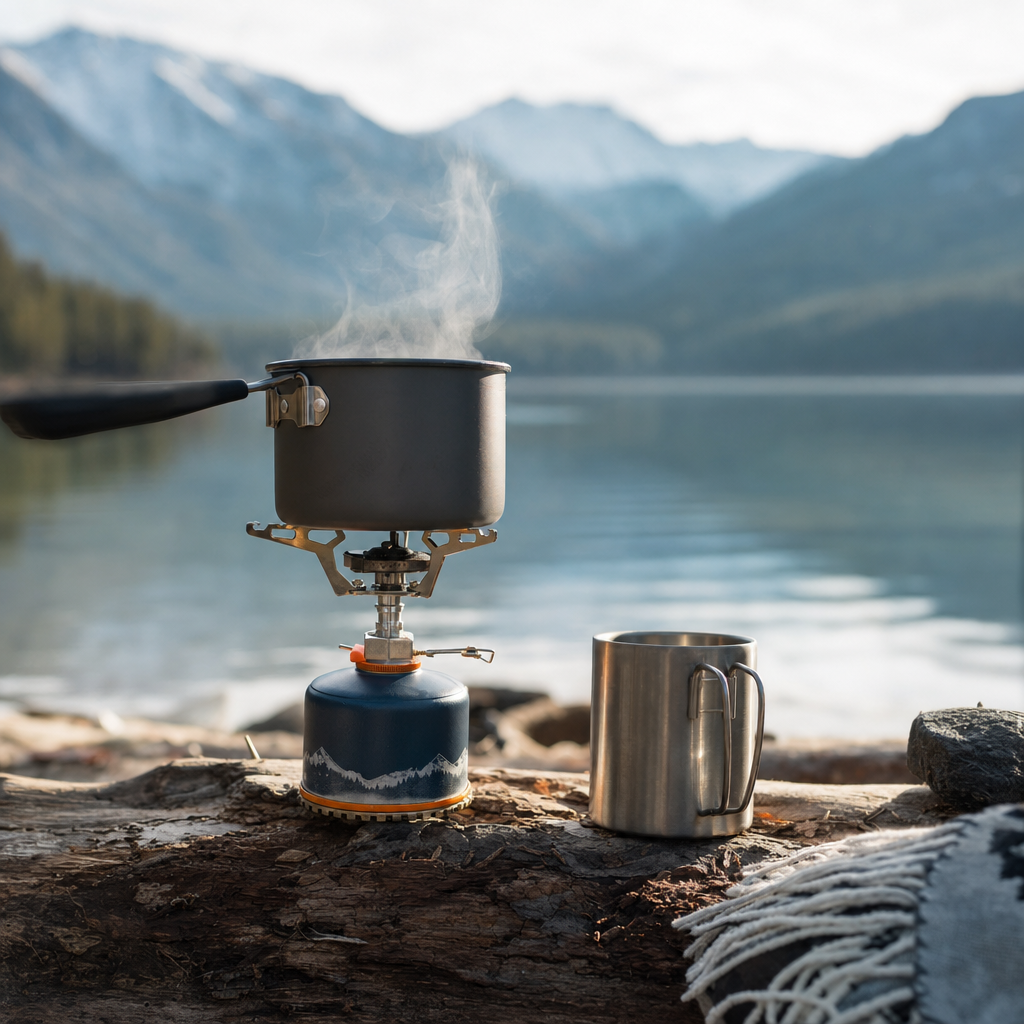
When exploring the vast market for outdoor cooking equipment, the sheer variety of available models can feel overwhelming to beginners. The foundational step in your search is understanding the primary categories of outdoor cookers, which are generally divided by size, fuel source, and intended activity. Backpacking models prioritize ultra-lightweight portability and compact dimensions, allowing hikers to slide an entire unit inside a small cooking pot alongside a miniature fuel canister. These minimalist setups are engineered for solo travelers or small duos who need to boil water quickly for dehydrated meals and morning coffee on rugged mountain trails.
Conversely, car camping models are designed for base camps where weight and packability take a backseat to cooking performance, stability, and burner capacity. These larger two-burner or three-burner appliances resemble miniature kitchen ranges, offering heavy-duty grates and wind-blocking lids that make cooking elaborate multi-course meals effortless. Families and larger groups typically gravitate toward these robust setups because they can simultaneously simmer a pot of chili and fry breakfast bacon. Selecting the right category ultimately hinges on evaluating your typical mode of travel, the number of people you regularly feed, and how much space you have available in your vehicle.
Fuel Types and Their Operational Characteristics
The fuel type powering your cooking apparatus dictates its performance in varying weather conditions, ongoing operating costs, and overall ease of use. Isobutane-propane canister fuels are exceptionally popular due to their clean-burn properties, lightweight containers, and maintenance-free operation. These pressurized canisters screw directly into compatible stoves and perform admirably in mild to moderate temperatures, though standard blends can struggle when ambient temperatures plummet below freezing. Advanced regulators help maintain consistent pressure as the fuel depletes, ensuring predictable flame control throughout the lifespan of the canister.
Liquid petroleum gas, commonly known as propane, is another widespread option, especially for heavy-duty two-burner car camping units utilizing green one-pound cylinders or refillable larger tanks. Propane burns efficiently and maintains high pressure even in cold weather, making it a reliable choice for autumn and winter excursions. White gas, or liquid fuel, is favored by mountaineers and international travelers who face extreme cold or travel to remote regions where specialized canisters are unavailable. While liquid fuel appliances require manual priming and regular maintenance, they offer superior cold-weather reliability and cost-effective operation over extended expeditions.
Key Performance Metrics to Evaluate
Evaluating technical specifications helps distinguish mediocre equipment from high-performing gear that will serve you reliably for years. BTU output is a common metric manufacturers use to describe heat generation, but higher numbers do not automatically translate to superior cooking capability. A massive BTU rating on a lightweight backpacking model can quickly deplete fuel without providing actual benefits, whereas a well-designed burner head distributes heat evenly across the base of your cookware. Look for appliances that balance efficient fuel consumption with adequate thermal output to ensure your meals cook thoroughly without unnecessary waste.
Boil time is another practical metric, typically measured by how many minutes it takes to bring one liter of water to a rolling boil under standard conditions. Wind resistance is equally critical because a strong gust can drastically reduce thermal efficiency, doubling your boil time and wasting precious fuel. Integrated windscreens, enclosed burner heads, and adjustable flame valves allow you to maintain precise control even when cooking in breezy alpine environments. Additionally, consider ignition systems; piezoelectric igniters provide spark ignition without matches, though carrying a waterproof backup lighter or matches is always a wise precaution.
Safety Protocols and Practical Maintenance
Operating any flame-producing equipment in a wilderness setting demands strict adherence to safety protocols to prevent accidents and wildfires. Always set up your cooking apparatus on a stable, level surface away from dry grass, low-hanging branches, and flammable materials like tents or vehicle interiors. If you are using a picnic table, ensure the legs of the unit are fully locked and that the surrounding area is clear of gear that could easily be knocked over. Never operate fuel-burning equipment inside a sealed tent or enclosed shelter due to the lethal hazard of carbon monoxide accumulation and extreme fire risks.
Routine maintenance ensures your equipment remains dependable and extends its operational lifespan across multiple seasons of outdoor recreation. After each trip, allow the metal components to cool completely before wiping away food spills, grease splatters, and soot buildup with a damp cloth and mild soap. Periodically inspect fuel lines, O-rings, and threaded connections for signs of cracking, wear, or debris that could cause gas leaks. Storing your gear in a clean, dry environment protects sensitive valves from corrosion and ensures your setup is ready for immediate deployment on your next adventure.
Essential Features Comparison and Selection Checklist
To simplify your final decision-making process, comparing specific design elements against your personal recreational habits is immensely helpful. The following checklist outlines the critical considerations every outdoor enthusiast should review before making a purchase. By weighing weight limits against cooking capacity, you can narrow down the vast selection of options to find the ideal match for your specific outdoor lifestyle, whether you are traversing rugged backcountry trails or setting up a spacious family campsite.
- Assess total weight and packed dimensions against your transport method (hiking pack versus car trunk).
- Verify fuel availability in the specific regions or countries where you plan to travel.
- Check wind resistance features and integrated shielding for reliable performance in adverse weather.
- Evaluate burner count and simmer control precision based on your culinary ambitions in camp.
Taking the time to review these practical factors prevents common buyer’s remorse and ensures you invest in equipment that enhances your outdoor culinary experience. Remember that maintenance habits and proper fuel storage are just as important as initial hardware specifications in determining long-term satisfaction. By treating your outdoor kitchen gear with care and selecting models suited to your actual needs, you will enjoy delicious hot meals and beverages in the great outdoors for many years to come.
Frequently Asked Questions
Can I use standard propane tanks with any portable camping stove?
No, compatibility depends entirely on the design of the appliance. Many car camping models are engineered for standard one-pound propane cylinders, but backpacking models typically require isobutane-propane threaded canisters unless you utilize an aftermarket adapter hose.
How do I know when my fuel canister is nearly empty?
You can estimate remaining fuel by weighing the canister on a digital scale and subtracting the empty tare weight printed on the label, or by performing the water float test where a full canister sinks and an empty one floats.
Are liquid fuel stoves better than canister stoves for cold weather?
Yes, liquid fuel appliances utilizing white gas perform significantly better in freezing temperatures because they maintain high pressure regardless of ambient cold, whereas standard isobutane canisters experience pressure drops in sub-freezing conditions.
Is it safe to cook inside a tent during bad weather?
Never cook inside a standard tent. Doing so creates an extreme fire hazard and poses a fatal risk of carbon monoxide poisoning from odorless combustion gases. Always cook outside in a well-ventilated area.
Article Was Generated By AI.