
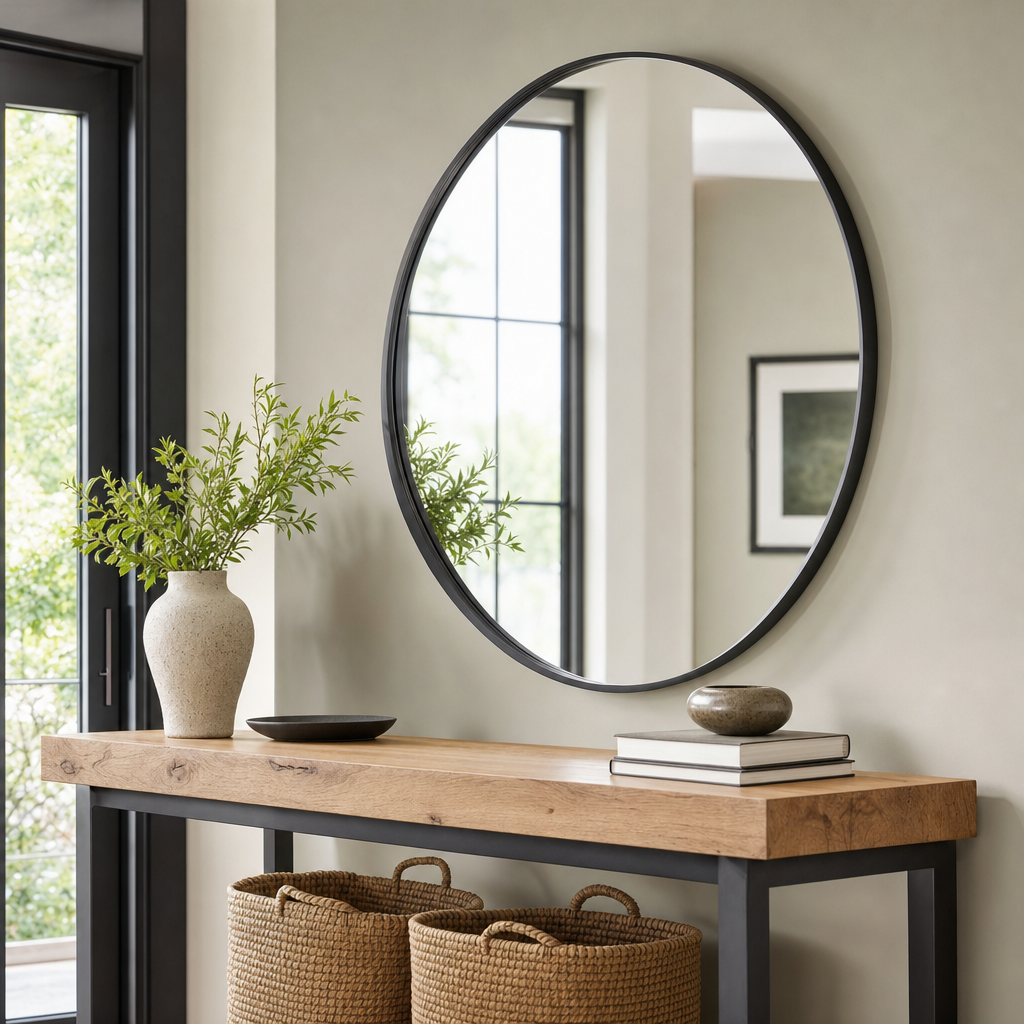
Understanding the Role of Wall Mirrors in Interior Spaces
When searching for the best wall mirror, homeowners often start with aesthetic appeal, but functionality is equally important. Mirrors fundamentally transform how we perceive interior architecture. By reflecting light from windows and artificial fixtures, a well-placed reflective surface can instantly brighten dark corners and narrow hallways without requiring electrical rewiring. This optical illusion creates a profound sense of depth, making compact apartments feel significantly more expansive than their physical dimensions suggest. Beyond spatial manipulation, these versatile accessories serve as focal points that anchor a room design, complementing existing color palettes and architectural features seamlessly.
Selecting the right design requires looking beyond basic glass to consider how frame materials interact with your current decor. Wooden frames introduce organic warmth and traditional charm, making them exceptionally popular in living rooms and rustic bedrooms. Conversely, metallic finishes like brushed brass, matte black, or polished chrome lend a contemporary, industrial edge that suits modern minimalist spaces. Frameless alternatives offer a clean, seamless look that emphasizes pure geometry and reflection, preventing visual clutter in tight areas. Understanding these stylistic categories helps narrow down the vast array of options available in the modern marketplace.
Key Styles and Design Variations for Every Room
Different rooms demand distinct mirror styles to satisfy both practical requirements and design harmony. In entryways, a full-length vertical option allows residents to check their complete outfit before heading out the door, while simultaneously welcoming guests with an open, airy foyer. Living rooms typically benefit from large, horizontal statement pieces hung above a fireplace mantel or a console table, creating a balanced horizontal axis that grounds the seating arrangement. Meanwhile, dining rooms often feature ornate, vintage-inspired designs that reflect ambient candlelight during evening gatherings, adding a touch of sophisticated drama to mealtime environments.
Geometric diversity further expands your design possibilities beyond traditional rectangles and circles. Arched mirrors introduce classical architectural curves that soften harsh lines created by drywall and rectangular furniture pieces like bookshelves and sofas. Starburst and asymmetric designs function almost exclusively as wall art, prioritizing striking silhouettes over conventional reflection. Choosing between these shapes depends heavily on the existing geometry of your furniture; pairing a round mirror above a rectangular dresser prevents the room from feeling overly uniform, creating a dynamic visual interplay between contrasting forms.
Practical Considerations for Sizing and Proportion
Proportion is arguably the most critical factor when determining which wall mirror will look best in your specific space. A common mistake involves purchasing a piece that is far too small for the designated wall, leaving it looking isolated and insignificant. As a general rule of thumb, when hanging a mirror above a piece of furniture like a sofa, credenza, or bathroom vanity, the mirror should span approximately two-thirds to three-quarters of the furniture piece’s total width. This proportional guideline ensures visual balance, preventing the furniture from overpowering the reflective accent or vice versa.
Ceiling height also dictates ideal dimensions and vertical placement strategies for large statement pieces. In rooms with standard eight-foot ceilings, vertical mirrors elongate the perceived distance between the floor and ceiling, enhancing verticality. However, you must leave adequate breathing room between the top of the mirror and the crown molding, as well as between the bottom edge and any underlying furniture. Mapping out these dimensions using painter’s tape on the wall before making any permanent holes provides a foolproof visual preview of how the final installation will occupy the negative space.
Installation Methods and Safety Best Practices
Proper installation is essential for protecting both your investment and the safety of household occupants. Heavy mirrors require robust hardware that anchors securely into wooden wall studs rather than relying solely on hollow drywall anchors. Heavy-duty mounting brackets, French cleats, and toggle bolts distribute weight evenly across the structure, significantly reducing the risk of accidental detachment over time. Always verify the maximum weight rating of your chosen hardware against the actual combined weight of the glass and its frame before proceeding with the mounting process.
Hanging height is another crucial detail that impacts both usability and aesthetic balance. For standard decorative pieces not intended for checking full-length reflections, the horizontal center of the glass should align roughly with the eye level of an average adult, typically around sixty inches from the floor. When mounting in high-traffic zones like hallways or children’s play areas, ensure that protruding frames do not create hazards for people passing by. Employing a reliable digital stud finder and a carpenter’s level during installation guarantees a secure, perfectly straight result every single time.
Maintenance and Care for Long-Lasting Clarity
Maintaining pristine clarity requires adopting proper cleaning techniques that protect the delicate reflective backing and frame materials. Ammonia-based glass cleaners can slowly erode the silver backing along the edges of the mirror, resulting in dark, unsightly corrosion known as edge blackening. Instead, professional cleaners recommend using a microfiber cloth lightly misted with a fifty-fifty solution of distilled water and white vinegar. This gentle mixture cuts through everyday fingerprints and dust without introducing harsh chemicals that might seep beneath the glass sealing agents.
Environmental factors in rooms like bathrooms and kitchens also demand preventative care to prevent premature wear. High humidity levels can infiltrate the backing over time, making moisture-resistant sealants vital for mirrors installed in damp environments. After taking hot showers, wiping down the glass surface or running exhaust fans helps minimize prolonged moisture exposure. Inspecting the hanging wire and brackets annually ensures that shifting house structures or vibrations have not loosened the mounting hardware, keeping your wall decor secure for years.
Frequently Asked Questions About Wall Mirrors
How do I choose the right size wall mirror for a blank wall?
Measure the available wall space and aim for a mirror that covers roughly two-thirds of the empty area. For walls above furniture, ensure the mirror width equals about two-thirds of the furniture below it.
What is the best height to hang a decorative wall mirror?
The center of the mirror should generally hang at average eye level, which is approximately 60 inches from the floor. Adjust this height slightly depending on ceiling height and underlying furniture.
How can I prevent my bathroom mirror edges from turning black?
Edge blackening occurs when moisture seeps behind the glass. Use ammonia-free cleaners, avoid spraying liquid directly onto the edges, and ensure your bathroom has proper ventilation to control humidity.
Are heavy wall mirrors safe to hang on standard drywall?
Heavy mirrors should always be anchored directly into wooden wall studs using heavy-duty brackets or French cleats. If studs are unavailable, use rated toggle bolts designed specifically for hollow drywall support.
Article Was Generated By AI.