
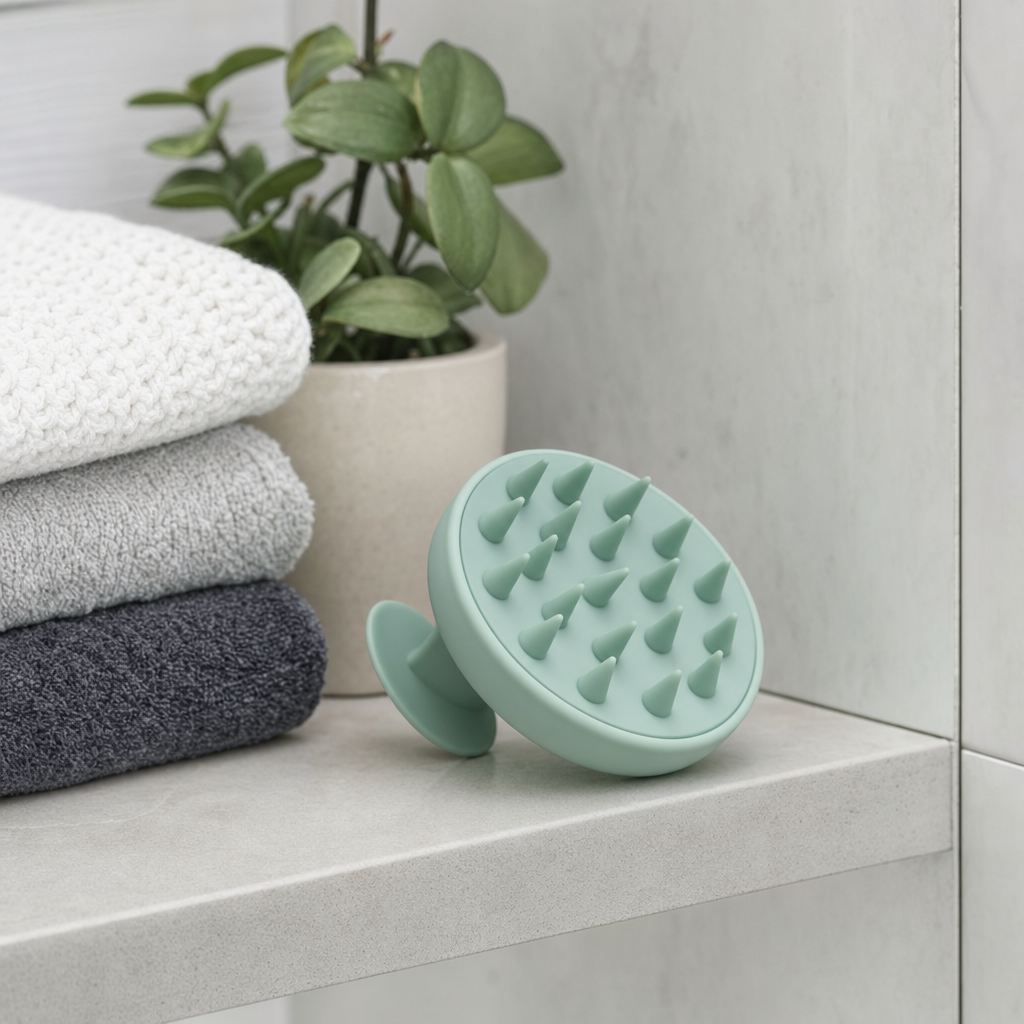
Understanding Scalp Massagers and How They Work
A scalp massager is a small, handheld device specifically designed to stimulate the skin on your head through manual or electronic manipulation. These tools typically feature soft silicone spikes, rubber nodes, or rigid plastic bristles configured to mimic the pressure and motion of human fingertips. When you glide the device across your scalp, the tips apply gentle, targeted pressure that helps manipulate the superficial layers of skin and underlying tissue. This mechanical action can be performed on either dry hair or wet hair, making them exceptionally versatile additions to your daily grooming and relaxation routines.
The fundamental mechanics behind these tools rely on ancient principles of acupressure and massage therapy, translated into modern, ergonomic designs. Most manual versions require you to hold a handle and move the device in circular or back-and-forth motions across different areas of the head. Electric or sonic models take this a step further by incorporating battery-powered vibrations or rotating heads that do the work for you. By engaging different pressure points, these devices help relieve tension held in the cranial muscles, which often accumulates due to stress, long hours of screen time, or poor posture throughout the day.
Key Benefits of Incorporating a Scalp Massager Into Your Routine
One of the primary reasons people seek out the best scalp massager is the incredible potential for relaxation and stress relief. The scalp contains a dense network of nerve endings, and stimulating them can trigger the release of endorphins, promoting a deep sense of calm. Regular massage sessions can help melt away the physical tension accumulated around the temples, crown, and base of the skull. This makes the tool particularly beneficial for individuals who experience frequent tension headaches or mental fatigue after demanding workdays, offering a quick, drug-free way to unwind at home.
Beyond simple relaxation, these tools offer notable benefits for hair and scalp health. Physical stimulation of the scalp helps increase microcirculation in the blood vessels surrounding hair follicles, which is essential for delivering vital nutrients and oxygen to the roots. Additionally, using a massager while shampooing can significantly improve product distribution, helping to lift away stubborn buildup, excess sebum, and flaky skin more effectively than fingertips alone. This gentle exfoliation clears the hair follicles, creating an optimal environment for healthy hair growth and leaving your hair feeling thoroughly refreshed.
Comparing the Different Types of Scalp Massagers Available
When searching for the right tool, you will encounter several distinct categories, each offering unique advantages depending on your personal preferences. Manual silicone massagers are the most popular option due to their affordability, durability, and versatility in the shower. They feature flexible silicone tips that are gentle on the skin and easy to clean. Traditional wire head scratchers, often called spider massagers, offer a different sensation with flexible metal tines that create an intense tingling feeling across the scalp, though they are best used exclusively on dry hair to avoid bending the wires.
Electric and battery-operated massagers represent a more advanced tier of grooming tools, incorporating motorized rotation or high-frequency sonic vibrations. These devices require minimal physical effort from your hands and often feature multiple speed settings or interchangeable heads for customized care. Waterproof electric models can be used during your shower routine, while others are strictly designed for dry scalp treatments. While they generally come at a higher price point than manual options, many users prefer them for their consistent pressure and therapeutic massage capabilities.
Here are the primary factors to consider when comparing different massager designs:
- Material composition: Silicone is gentle and hygienic, while metal wire offers a unique tingling sensation.
- Power source: Manual models offer total control, whereas electric models provide automated kneading.
- Water resistance: Waterproof designs are essential if you plan to use the tool during shampooing.
- Ergonomics: Look for handles that fit comfortably in your palm to prevent hand fatigue during use.
Practical Guidance on How to Use Your Scalp Massager Properly
Using a scalp massager correctly ensures you maximize the benefits while avoiding any potential irritation or hair breakage. Start by applying the device lightly to your scalp, holding the handle securely with your fingers. Instead of pressing down aggressively, let the weight of the device and gentle hand pressure do the work. Move the massager in slow, deliberate circular motions, working your way systematically from the front hairline across the crown and down to the nape of the neck. Avoid making fast, chaotic scrubbing motions, which can tangle your hair strands around the base of the bristles.
Timing and frequency are also important considerations for a safe and effective routine. Most experts recommend limiting your massage sessions to five or ten minutes per day, which is more than enough time to stimulate circulation and relieve muscle tension. If you are using the tool with shampoo, apply your cleanser first, work it into a lather, and then gently glide the massager through your hair. Never press extremely hard if you have a sensitive scalp, cuts, or active skin conditions, as excessive friction can exacerbate irritation rather than soothe it.
Proper Maintenance and Hygiene for Your Scalp Massager
Maintaining a clean scalp massager is crucial for preventing the buildup of bacteria, mold, and residual hair products. Because these tools are frequently used in humid environments like showers or paired with oils and shampoos, they can easily trap moisture and debris between the bristles. After every single use, you should rinse the device thoroughly under warm running water to remove any lingering soap suds, loose hairs, or dead skin cells. Shake off excess water and allow the tool to air dry completely in a well-ventilated area before storing it away.
Deep cleaning your massager on a weekly basis ensures optimal hygiene and extends the lifespan of the device. For silicone and plastic models, you can soak the tool in a mixture of warm water and mild antibacterial soap or a gentle clarifying shampoo for ten minutes. Use a small brush or an old toothbrush to scrub between the nodes where grime tends to accumulate. If your massager is electric, always ensure the charging port is tightly sealed or avoid submerging the electronic components entirely, wiping the body down with a damp, soapy cloth instead.
Frequently Asked Questions About Scalp Massagers
Can a scalp massager help with hair growth?
While a massager cannot cure genetic hair loss, it helps stimulate microcirculation in the scalp, delivering essential nutrients to hair follicles and creating a healthy environment for optimal hair growth.
Can I use a scalp massager on dry hair?
Yes, manual silicone massagers and electric models work wonderfully on dry hair for stress relief, relaxation, and applying lightweight hair growth serums or oils between washes.
How often should I use a scalp massager?
You can safely use a scalp massager once a day or a few times a week, depending on your personal comfort, scalp sensitivity, and whether you are using it during shampooing.
Will a scalp massager cause my hair to tangle?
It can cause tangles if you use rapid, scrubbing motions. To prevent tangling, always move the massager in slow, gentle circular motions rather than rubbing back and forth aggressively.
Article Was Generated By AI.