
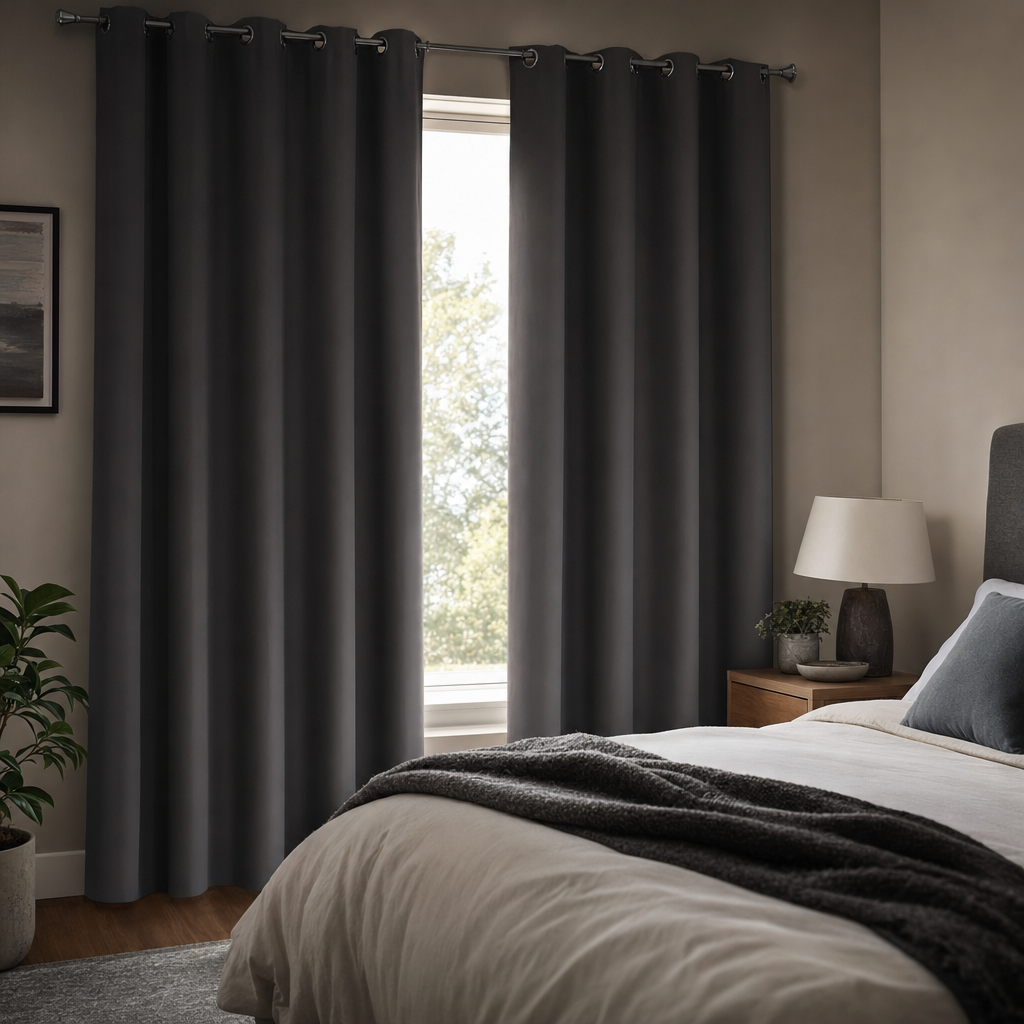
Introduction to Window Light Control
Finding the best blackout curtains often begins with understanding how unwanted sunlight and exterior streetlights disrupt indoor environments. Excessive illumination can interfere with circadian rhythms, making it difficult for shift workers, light sleepers, and young children to achieve restorative rest during daytime hours. Standard window treatments typically allow significant ambient light to filter through woven fabrics, whereas specialized opaque designs utilize dense materials engineered to block nearly all visible light from entering a room. Beyond simple darkness, these heavy textiles also contribute to a quieter indoor atmosphere by dampening outdoor sounds like traffic and neighborhood commotion.
When evaluating various window coverings, homeowners frequently confuse standard room-darkening panels with true blackout options. Room-darkening panels typically reduce incoming sunlight significantly, often achieving an 85 to 95 percent reduction, but light may still bleed through the weave or around the edges of the hardware. True blackout versions, conversely, are specifically rated to block 99 percent or more of incoming light, relying on multi-layered fabric construction or specialized acrylic foam backing. Recognizing this fundamental distinction ensures that you select the appropriate product for bedrooms, home theaters, nurseries, or any space requiring complete illumination control.
Key Materials and Construction Methods
The construction quality of heavy window coverings directly dictates their overall effectiveness and longevity in everyday use. Manufacturers typically employ dense, tightly woven textiles such as heavy polyester blends, thick cotton velvet, or faux silk to create the exterior aesthetic appeal. Beneath this decorative face fabric lies an innovative interior lining, which is often composed of a multi-pass foam coating or a tightly woven black yarn core. This hidden layer serves as the primary barrier against light transmission, preventing photons from passing through the microscopic gaps between vertical and horizontal threads in the primary textile weave.
Thermal insulation represents another major functional benefit tied directly to advanced material composition. The same dense backing that blocks sunlight also acts as a formidable barrier against thermal transfer through glass window panes. During scorching summer months, high-quality opaque drapery helps keep interior spaces cooler by reflecting solar heat away from the glass surface. Conversely, in freezing winter conditions, these thick panels trap indoor warmth and reduce drafts originating from poorly sealed window frames. This dual-purpose utility makes specialized window treatments a practical year-round addition for improving overall household climate management.
Installation Techniques for Maximum Effectiveness
Even the highest-rated opaque panels will fail to deliver complete darkness if they are improperly installed around the window frame. Light leakage commonly occurs at the top, bottom, and sides when drapery is hung using standard, flush-mount rods that position the fabric too close to the glass. To achieve optimal performance, experts recommend extending the curtain rod at least three to six inches beyond the window frame on each side. This extra width ensures that the fabric covers the surrounding wall space, effectively capturing and diffusing any peripheral light that would otherwise escape into the room.
Furthermore, utilizing wraparound curtain rods or installing ceiling-mounted tracks can eliminate the light gap that typically forms near the top of the window. Wraparound hardware curves back toward the wall, allowing the leading edge of the fabric to sit flush against the drywall and seal off the upper perimeter. For the bottom edge, selecting panels that puddle slightly on the floor or adding magnetic weights to the hem can prevent drafts from billowing the fabric outward. Implementing these thoughtful hardware adjustments maximizes the functional capability of your chosen window treatments.
Maintenance, Cleaning, and Care Guidelines
Proper maintenance is essential for preserving the integrity of multi-layered window treatments over years of continuous use. Because heavy fabrics tend to collect dust, pet hair, and airborne allergens more readily than lightweight sheer curtains, routine upkeep is necessary. Regular dusting with a soft brush attachment on a vacuum cleaner helps maintain surface cleanliness between deep cleanings. When washing becomes necessary, always consult the manufacturer care label, as many foam-backed or thermal-lined textiles require delicate hand washing or professional dry cleaning to prevent permanent damage to the internal light-blocking layers.
Machine washing high-density drapery on aggressive cycles can cause the internal foam lining to crack, bubble, or separate from the outer fabric face. If machine laundering is permitted, utilize a gentle cycle with cold water and mild detergent, avoiding harsh bleach or chemical stain removers. Air drying is universally recommended over machine tumbling, as high heat from a dryer can warp synthetic fibers and melt rubberized thermal backings. Hanging the panels back on the rod while slightly damp is a proven method for allowing gravity to naturally release wrinkles without resorting to ironing.
Comparing Common Window Treatment Styles
Navigating the wide variety of styles available can be simplified by evaluating how different hanging methods impact light control and visual decor. Grommet-top panels offer modern styling and smooth sliding action across rods, but they often leave a small semi-circular gap at the top where light can enter above the grommet rings. Back-tab and rod-pocket constructions sit higher against the hardware, offering superior top coverage, though sliding them open and closed can require a bit more physical effort during daily routines.
For a comprehensive comparison of how different mounting and hanging styles perform in real-world scenarios, consider the following structural characteristics:
- Grommet panels: Easy to slide, contemporary look, but prone to top light leaks above the metal rings.
- Rod pocket panels: Excellent top coverage and budget-friendly, but harder to glide smoothly across the rod.
- Back tab panels: Clean pleated appearance with hidden loops, offering a great balance of coverage and mobility.
- Traverse rod drapery: Operates on a pulley system for effortless opening, ideal for large picture windows and patio doors.
Choosing the right configuration ultimately depends on your personal aesthetic preferences, window dimensions, and how frequently you intend to open and close the window coverings. Blending functional necessity with interior design ensures that your living spaces remain both visually appealing and properly optimized for light management throughout the changing seasons.
Frequently Asked Questions
Do blackout curtains truly block 100 percent of light?
High-quality true blackout curtains can block up to 99 percent of light through the fabric itself. However, achieving absolute total darkness in a room also depends on proper installation methods to prevent light leaks around the top, bottom, and side edges of the window frame.
Can these heavy curtains help lower my home energy bills?
Yes, their thick multi-layered construction provides noticeable thermal insulation. They help block harsh solar heat from entering during the summer and trap indoor warmth during the winter, reducing the overall workload on your heating and cooling systems.
How should I clean window treatments with a foam backing?
You should always check the manufacturer care label first. Most foam-backed or thermal-coated panels require gentle hand washing or professional dry cleaning, as machine washing and high-heat tumble drying can damage or melt the internal light-blocking layers.
Why is light still coming through the top of my new curtains?
Light often escapes near the top if the rod is mounted flush against the wall directly above the frame. Using wraparound rods, extending the hardware wider than the window, or adding a top valence can successfully eliminate this overhead light bleed.
Article Was Generated By AI.