
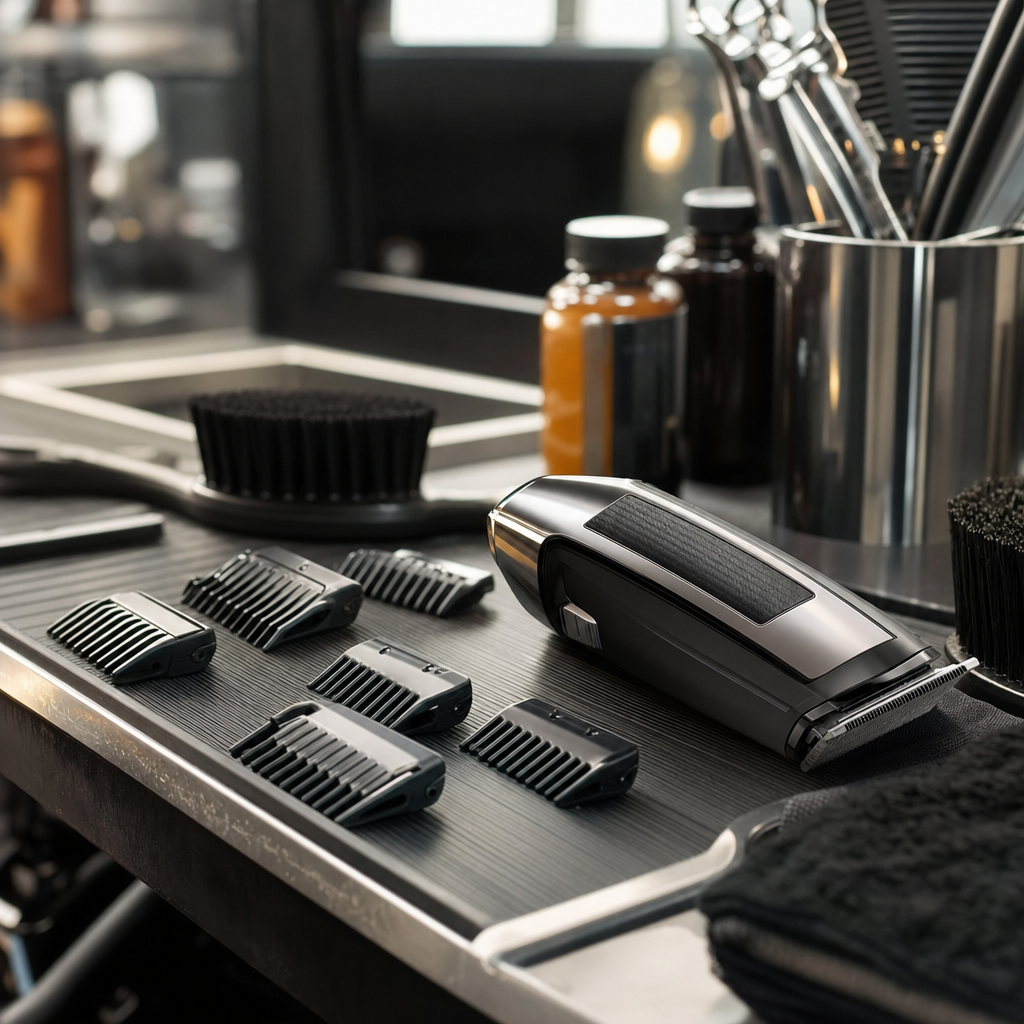
Understanding the Evolution and Purpose of Modern Hair Clippers
The search for the best hair clippers often begins when individuals realize that maintaining a neat haircut at home requires reliable, high-performing tools rather than basic household scissors. Over the past few decades, consumer grooming technology has advanced significantly, bridging the gap between professional barbershop equipment and user-friendly devices designed for everyday households. Modern devices allow users to achieve precise fades, manage thick beards, and maintain consistent hair lengths without needing constant professional appointments. Understanding what makes a device stand out involves looking closely at motor strength, cutting efficiency, ergonomic design, and versatility across different hair types and textures.
When evaluating your options, it helps to recognize that not all grooming tools serve the same purpose. Some models are engineered specifically for heavy-duty clipping on thick, coarse hair, while others are fine-tuned for detailed trimming, shaping necklines, and executing intricate fades. Manufacturers design these machines with various power sources, ranging from traditional corded electric models that offer uninterrupted power to advanced lithium-ion cordless units that provide exceptional mobility and convenience. Recognizing your specific grooming habits and hair maintenance routines will ultimately guide you toward making an informed decision that suits your lifestyle.
Core Components and Technical Specifications to Evaluate
At the heart of any quality grooming device lies its motor, which directly dictates cutting speed, power, and overall performance. Rotary motors offer a balanced combination of power and speed, making them exceptionally versatile for handling all hair types from fine to extremely thick. Pivot motors deliver higher power with lower blade speed, which excels at cutting through thick, wet, or heavy hair types effortlessly. Magnetic motors, on the other hand, operate at extremely high speeds with fewer moving parts, making them durable and ideal for high-speed fading and tapering techniques on dry hair.
Blade construction is another critical factor that separates standard entry-level devices from top-tier grooming equipment. High-carbon steel and stainless steel blades remain sharp for extended periods, resisting corrosion and providing a clean, snag-free cutting experience. Ceramic blades are also increasingly popular because they transfer less heat during prolonged use, remaining cool to the touch even after running continuously for extended periods. Additionally, self-sharpening blade technologies ensure that the cutting edges maintain their precision over years of regular use without requiring manual sharpening or frequent replacements.
Corded Versus Cordless Designs and Power Flexibility
The debate between corded and cordless models is central to finding the best hair clippers for your personal preferences. Corded units plug directly into a wall outlet, delivering consistent, maximum power without any risk of battery degradation or unexpected power loss during a haircut. This makes corded variants exceptionally popular for busy households with multiple users or for individuals who prefer longer grooming sessions without worrying about recharging schedules. However, the physical constraint of the power cord can sometimes limit maneuverability and awkward angles around the head and neck.
Cordless models utilize rechargeable lithium-ion batteries that offer remarkable freedom of movement, allowing users to groom outdoors, travel easily, or cut hair without tripping over tangled wires. Contemporary rechargeable batteries typically provide anywhere from 90 to over 200 minutes of continuous run time on a single charge, with quick-charge features adding extra convenience when you are in a rush. Many modern cordless units also feature hybrid functionality, meaning they can operate while plugged into the charger if the battery happens to run low mid-cut, combining the best aspects of both power delivery systems.
- Corded models offer unlimited run time and consistent high power.
- Cordless lithium-ion units provide superior portability and ergonomic freedom.
- Hybrid options allow corded operation even when the internal battery is depleted.
Essential Accessories, Attachments, and Ergonomic Design
The overall usability of a grooming tool is heavily influenced by its included accessories and physical ergonomics. Guard combs, often referred to as guide combs or attachments, determine the final length of the hair and typically range from sixteenth-inch increments up to an inch or longer. Premium kits often include secure metal-clipped guards that snap firmly onto the blade, preventing slipping or uneven cutting lengths while moving through dense hair. Furthermore, adjustable taper levers on the side of the housing let users alter the blade proximity seamlessly, facilitating smooth fades without needing to swap out guard attachments constantly.
Ergonomics play a vital role in preventing hand fatigue, wrist strain, and accidental slips during detailed trimming sessions. Manufacturers utilize textured rubber grips, contoured housing shapes, and lightweight aluminum or polymer body materials to ensure a secure, comfortable hold. A well-balanced device reduces torque strain on the wrist, making it significantly easier to navigate difficult angles around the ears, crown, and neckline. Reviewing the physical dimensions and weight distribution of a unit before use ensures a more comfortable and controlled home grooming experience.
Maintenance Practices for Longevity and Hygiene
Proper maintenance is absolutely essential for preserving the performance, hygiene, and lifespan of your grooming equipment. After every single use, microscopic hairs, dead skin cells, and natural oils accumulate between the moving blade teeth, which can cause friction, dull the cutting edge, and harbor bacteria. Using a specialized cleaning brush to sweep away loose debris is the first crucial step in post-cut upkeep. Neglecting this simple routine often leads to sluggish motor performance, increased heat generation, and premature wear on the mechanical drive components inside the housing.
Lubrication and sanitization complete the essential maintenance cycle for keeping cutting mechanisms in pristine condition. Applying two to three drops of specialized blade oil across the teeth while the machine is running allows the lubricant to distribute evenly, reducing metal-on-metal friction and preventing rust accumulation. Many modern blades are also designed to be detachable, allowing users to rinse them under water or apply aerosolized disinfectant sprays for optimal sanitary conditions. Storing the device in a dry environment with a protective blade guard attached further safeguards the precision alignment of the cutting teeth.
Frequently Asked Questions About Hair Clippers
How often should I oil my hair clippers?
You should apply a few drops of lubricating oil to the blades before or after every single haircut. Regular oiling reduces friction, prevents rust, and keeps the motor running smoothly.
Can I use regular hair clippers on my beard and body hair?
Yes, standard hair clippers can be used on beards and body hair, though their wider blades and heavier designs may make detailed facial styling or tight curves more challenging compared to dedicated trimmers.
What is the difference between a hair clipper and a hair trimmer?
Hair clippers are designed for removing bulk hair and cutting longer lengths using guards, whereas hair trimmers feature finer teeth meant for close-shaping, outlining, and detailing necklines and sideburns.
How do I know when my clipper blades need to be replaced?
If your blades pull hair rather than cutting cleanly, feel excessively hot during use, or show visible signs of dullness and rust despite regular oiling and cleaning, it is time to replace them.
Article Was Generated By AI.