
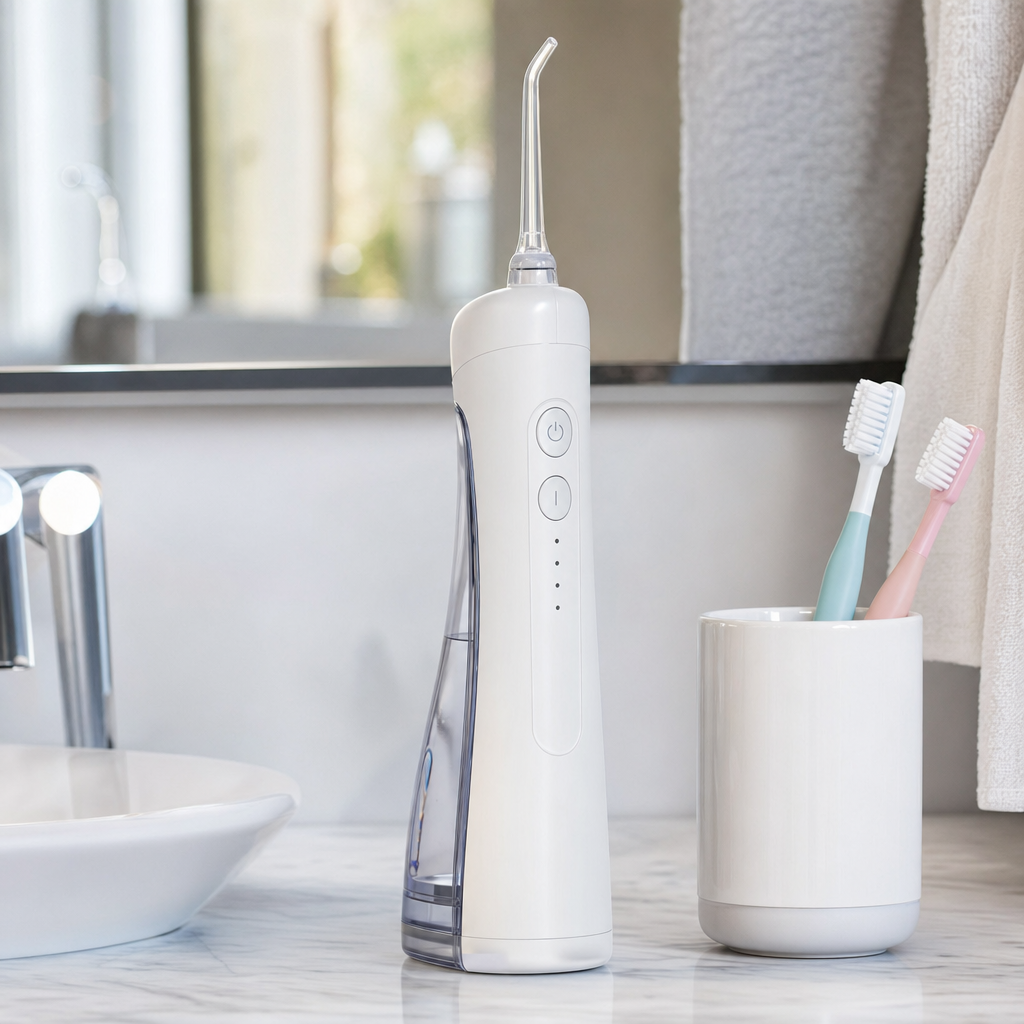
Understanding Water Flossers and How They Work
A water flosser, commonly referred to as an oral irrigator, is a handheld dental device designed to clean between teeth and below the gumline. By utilizing a motorized pump, the appliance sends a pressurized stream of pulsating water through a specialized tip to dislodge food particles and dental plaque. While traditional string floss remains a gold standard in oral hygiene, many individuals find water flossers much easier to manage, particularly when navigating around complex dental work such as braces, bridges, and permanent retainers. The pulsating action not only clears away debris that brushing often misses but also stimulates gum tissues, potentially improving overall periodontal health when used consistently every single day as part of a comprehensive oral care regimen.
The technology behind these devices has advanced significantly over the past decade. Modern models incorporate sophisticated pressure regulation systems that allow users to customize the intensity of the water stream to suit their individual sensitivity levels. Some advanced units even mix tiny air bubbles into the water stream, creating a micro-bubble technology designed to target plaque bacteria more aggressively without causing trauma to delicate gum tissues. Understanding these fundamental mechanics helps users appreciate why these tools have become such popular adjuncts in modern dentistry. Rather than replacing mechanical cleaning entirely, oral irrigators serve as a powerful supplementary method to ensure that hard-to-reach pockets between the teeth remain free from harmful bacterial accumulation throughout the day.
Key Features to Evaluate When Comparing Models
When researching options to determine the best water flosser for your specific lifestyle and bathroom setup, several critical features warrant careful evaluation. Power source is often the primary consideration, dividing devices into two main categories: countertop models and cordless, rechargeable travel units. Countertop units generally feature larger reservoirs that provide uninterrupted cleaning time without requiring mid-session refills, along with a wider range of pressure settings. Conversely, cordless models offer exceptional portability and take up minimal counter space, making them ideal for small bathrooms or frequent travelers, though they typically require recharging every few days and have smaller water tanks that may need to be refilled once during a thorough flossing session.
Another vital factor to consider is the variety of interchangeable tips included with the device. Different attachments serve distinct dental purposes, ranging from standard jet tips for general cleaning to orthodontic tips featuring tapered bristles for braces, and plaque seeker tips designed for crowns, implants, and bridges. Additionally, look closely at the pressure control mechanism. Devices with a wide dial offering ten or more distinct settings allow for a gradual increase in pressure, which is particularly beneficial for beginners whose gums might bleed initially. Noise level, ease of reservoir cleaning, and overall footprint on the bathroom vanity are also practical details that significantly influence long-term satisfaction with your chosen oral care device.
Practical Guidance for Daily Use and Maintenance
Getting the most out of an oral irrigator requires proper technique and consistent daily habits. To avoid splashing water all over the bathroom mirror, lean over the sink with your lips parted just enough to allow water to drool out comfortably into the basin while keeping the device handle upright. Start by directing the tip at a ninety-degree angle to your gumline, tracing along the spaces between your teeth and pausing briefly at each interdental gap. Many dental professionals recommend starting with the back teeth and working your way forward systematically, ensuring that both the outer and inner surfaces of your dental arch receive adequate attention during the session, which typically lasts about one full minute.
Proper maintenance is equally essential to ensure the longevity of the appliance and prevent bacterial buildup inside the water reservoir. After each use, empty any remaining water from the tank to prevent stagnant moisture and mold growth, leaving the reservoir lid open to air dry completely. Periodically, you should sanitize the internal tubing and removable tips by running a mixture of warm water and a small amount of white vinegar through the system, followed by a thorough rinse with plain tap water. Regularly replacing the specialized tips every three to six months, much like a traditional toothbrush, ensures that the water stream remains focused and effective for optimal cleaning performance.
Comparing Countertop Versus Cordless Units
Choosing between a plug-in countertop unit and a battery-operated cordless model depends heavily on your daily routine, bathroom layout, and personal preferences regarding storage. Countertop water flossers attach to a stationary base station, offering robust motor power, extensive pressure settings, and large reservoirs that hold enough liquid for a comprehensive ninety-second cleaning without interruption. They are fantastic for family bathrooms where multiple people can utilize the device using personalized, color-coded tips. However, they demand permanent counter space and require close proximity to an electrical outlet, which can occasionally clutter smaller vanity areas or create challenges if bathroom outlets are positioned far away from the sink basin.
Cordless water flossers represent the ultimate in flexibility and travel convenience. Powered by internal rechargeable batteries, these streamlined devices integrate the water reservoir directly into the handle, eliminating the bulky base unit entirely. This compact design makes them exceptionally easy to pack in a suitcase, gym bag, or store out of sight inside a medicine cabinet when not in use. The primary trade-off involves the water capacity; smaller tanks often require a quick mid-session refill to complete a thorough dental cleaning. Furthermore, while modern lithium-ion batteries hold a charge remarkably well, they do require periodic recharging and may experience a gradual reduction in maximum pressure output as the battery level depletes.
Integrating Water Flossers into Your Complete Dental Routine
Integrating an oral irrigator into your daily health regimen should complement, rather than completely replace, your existing brushing habits. Dental professionals generally advise brushing twice daily with a fluoride toothpaste and utilizing your water flosser at least once per day, preferably before bedtime to remove accumulated food debris from the day. Some individuals prefer using their irrigator before brushing so that the fluoride from the toothpaste can easily reach the freshly cleaned interdental spaces, while others prefer using it afterward to flush away loosened particles. Experimenting with the timing can help you determine what feels most refreshing and fits seamlessly into your morning and evening schedules without feeling like a burdensome chore.
It is also worth noting that while water flossers are exceptionally effective at removing loose debris and massaging gum tissue, traditional string floss still offers mechanical friction that scrapes plaque biofilm directly off the sides of tight teeth contacts. For this reason, many dental hygienists recommend using both methods in tandem if time permits, or consulting your dentist to determine which approach best addresses your unique dental anatomy. If you experience persistent bleeding, gum tenderness, or other oral discomfort when starting out, consult your dental care provider to ensure your pressure settings are appropriate and to rule out underlying periodontal concerns that require professional clinical evaluation.
Frequently Asked Questions
Can a water flosser completely replace traditional string floss?
While oral irrigators are fantastic at flushing out food particles and reducing gum bleeding, many dentists still recommend traditional string floss for scraping plaque off tight contact points. Using both together provides the most thorough cleaning.
Should I use warm water or mouthwash in my water flosser?
Warm tap water is generally the most comfortable and effective choice for daily use. You can occasionally add a small amount of diluted mouthwash, but avoid harsh chemicals or thick solutions that might clog or damage the internal pump.
Why do my gums bleed when I first start using an oral irrigator?
Mild bleeding is common during the first week as your gum tissue adjusts to the new stimulation, especially if you have not been flossing regularly. If bleeding persists beyond ten days, consult your dental professional.
How often do I need to replace the flossing tips?
Standard jet tips and specialized orthodontic attachments should generally be replaced every three to six months. Over time, mineral deposits can build up, and the tip openings can wear down, reducing the precision of the water stream.
Article Was Generated By AI.